
ALULA: Senior officials indicated that emerging markets are entering a more unstable period of the global economy. They are better prepared for shocks than they were in the past, but they are also facing more dangers from slow productivity development, fragile trade, and the rapid rise of artificial intelligence.
At the AlUla Conference for Emerging Market Economies on the second day, finance ministers and global authorities warned that structural problems, not cyclical crises, could shape the next ten years for developing countries.
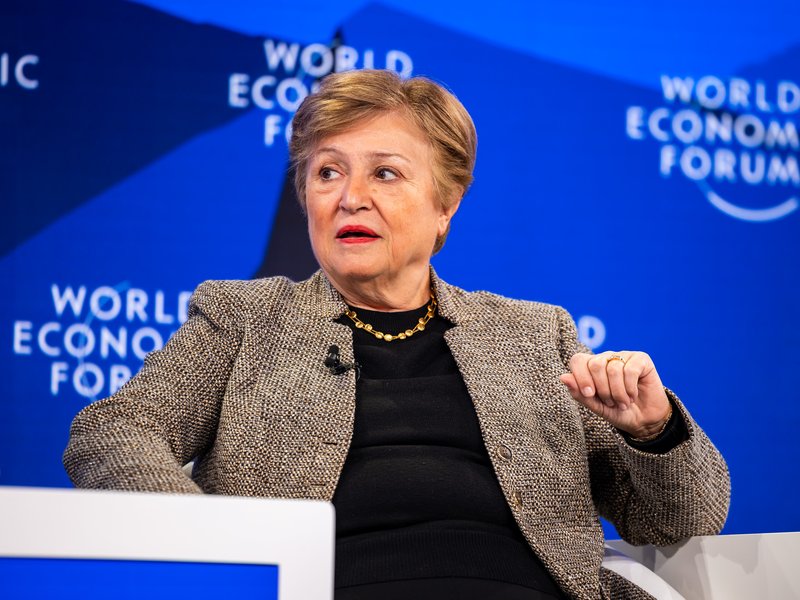
Kristalina Georgieva, the managing director of the International Monetary Fund, noted that many emerging economies had strengthened their institutions and macroeconomic frameworks following prior crises, thereby increasing their resilience.
She stated, “Over the past few decades, many emerging market economies have learned from the advanced economies in a way that makes them better able to deal with the shocks that are happening more and more often.
Georgieva said that countries that had a long-term approach on creating solid institutions had “significant improvement” in their growth prospects and lower inflation. She said that this success has created a new dynamic: “We now see that emerging markets are more interested in competing with each other to see who does better in this policy area.
Also Read:
Transforming Early Childhood Education In Saudi Arabia With Dr. Samia Kazi
Revolutionizing The Maritime Ecosystem: The Gujarathi Empire Led By Ashutosh Gujarathi