
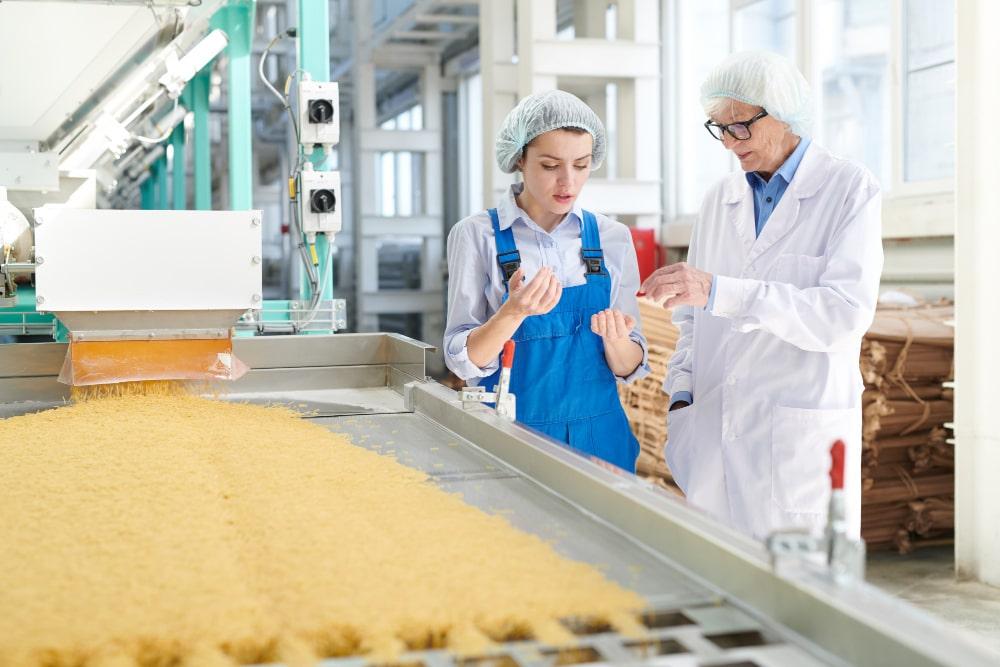
American food manufacturing is at a critical juncture, molded by decades of industrial expansion, globalization, and shifting consumer demands. While the sector has reached impressive scale and efficiency, it is now under increasing pressure to address challenges such as sustainability, supply chain resilience, and public health. Transforming food manufacturing from the inside out necessitates a fundamental rethinking of how food is produced, processed, and distributed—a shift from short-term benefits to long-term value creation.
Strengthening domestic supply chains.
One of the most important issues in food manufacturing is the instability of supply chains. Global crises, climate catastrophes, and geopolitical tensions have exposed weaknesses in sourcing and delivery systems. Rebuilding from within entails prioritizing local and regional supply networks, reducing reliance on distant suppliers, and investing in infrastructure to provide consistent access to raw resources. Domestic supply chain strengthening not only increases resilience, but it also benefits local economies and decreases environmental impact.
Embracing Technological Innovation
Technology is a strong driver of revolution in food industry. Advanced technologies, ranging from automation and robots to artificial intelligence and data analytics, have the potential to increase productivity, decrease waste, and improve product quality. Smart manufacturing systems provide real-time monitoring and decision-making, allowing businesses to respond rapidly to changing conditions. By incorporating innovation into fundamental operations, firms may develop more agile and adaptable production environments.
Prioritizing Sustainability and Environmental Responsibility.
Sustainability has become a top priority for both consumers and policymakers. The food manufacturing business must reduce its environmental impact by conserving energy, decreasing waste, and implementing eco-friendly packaging options. Transitioning to renewable energy sources, maximizing resource use, and implementing circular economy principles are all necessary steps toward creating a more sustainable system. These actions improve the environment while also improving brand reputation and competitiveness.
Also Read:
GCC Most Influential Business Leaders to Watch in 2026
10 Inspiring Personalities Shaping the Future of the Gulf