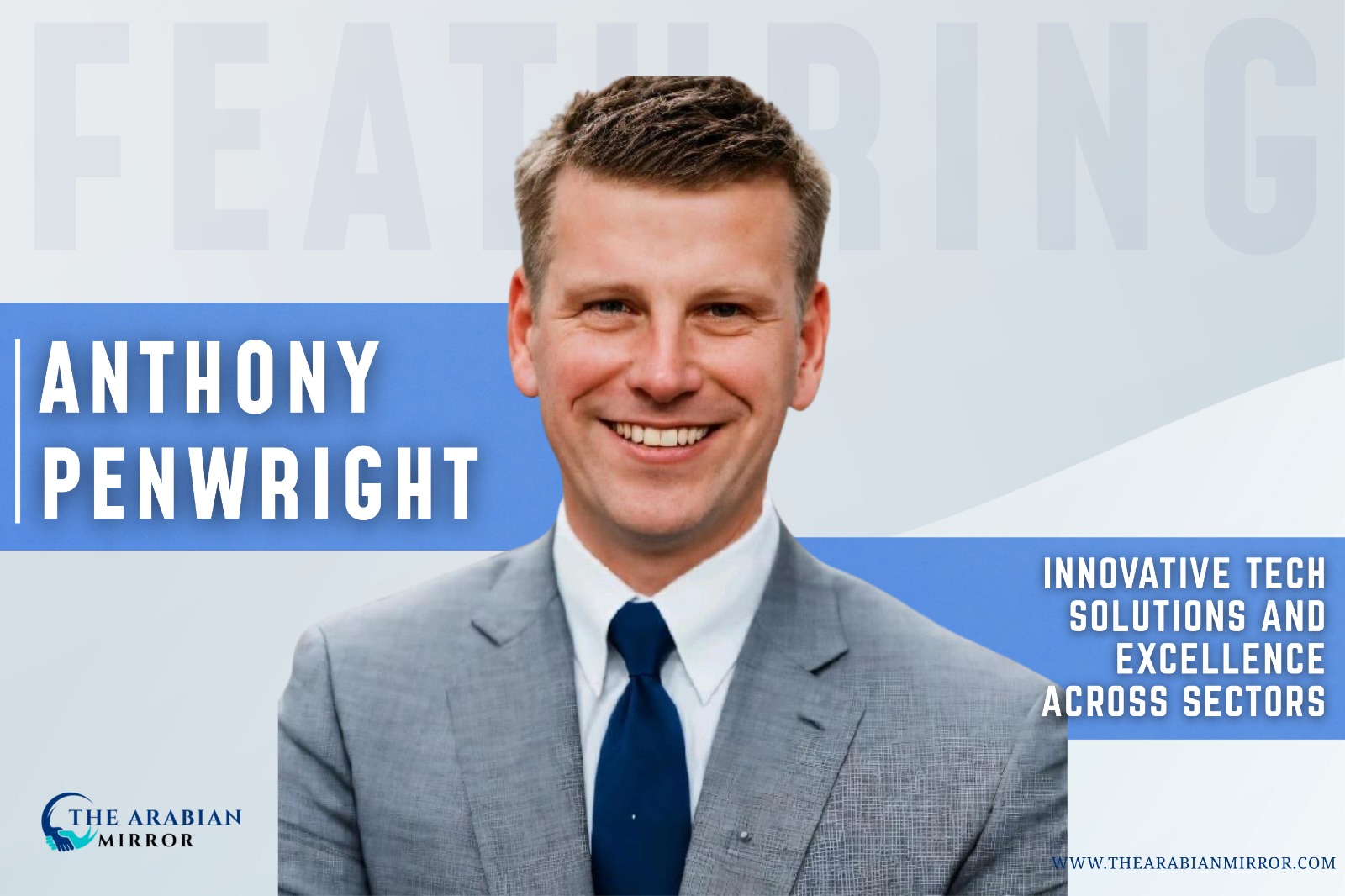

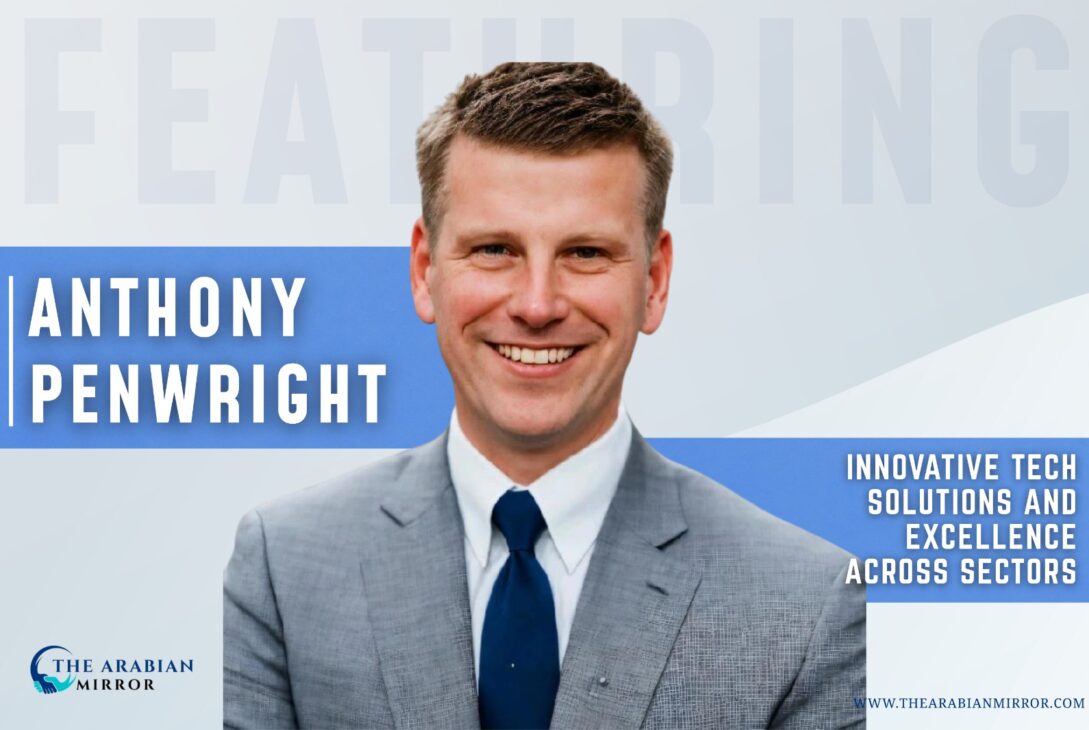
A distinguished technology and innovation executive, Anthony Penwright brings over 20 years of international experience leading complex digital transformation programs valued at more than £1BN. Having held senior roles across the UK Government, Cisco, Wipro, and NEOM, he specializes in Smart Cities, Artificial Intelligence, IoT, and Blockchain. Recognized for building high-performing teams of over 450 professionals, Anthony is known for combining strategic execution with empathetic leadership.
The Beginning
My career began in the Police Force. At that stage of my life, I was seeking stability after navigating personal challenges. I valued the purpose of public service, but I quickly realized I was more fascinated by the technology that enabled operational effectiveness than frontline work itself.
A senior leader identified my strength in both communication and technology and advised me that the future would belong to those who understood both. That guidance shaped my decision to invest my savings into professional IT qualifications. From that point forward, my career evolved from public service into technology leadership across government and enterprise environments.
Evolution of Anthony Penwright’s Journey
My journey has evolved from technical execution to enterprise strategy. Early in my career, I focused on delivering IT programs and operational improvements. Over time, I transitioned into leading large-scale transformation initiatives that required strategic planning, governance structuring, and innovation ecosystem development.
Today, my role centers on aligning people, process, and technology to drive measurable commercial outcomes. Whether in UK Government or large smart city initiatives such as NEOM, the responsibility remains the same: deliver operational excellence while enabling cultural change.
Impact on Large-Scale Transformation Programs
The most significant challenges in transformation are not technological. They are human.
Organizations seeking to shift operating models often underestimate resistance to change. I have learned that empathetic leadership is fundamental. Clear communication, inclusive engagement, and visible accountability create the trust necessary for transformation to succeed.
In programs involving more than 450 cross-functional professionals, I have found that once trust is established, execution becomes far more efficient. Sustainable transformation is built on emotional intelligence as much as technical capability.
Impact of Artificial Intelligence and Emerging Technologies
Artificial Intelligence is no longer theoretical. It is reshaping product development, operational workflows, marketing, and service delivery.
However, the real challenge lies in orchestrating adoption responsibly. Governance frameworks remain immature, and concerns around workforce displacement are real. Organizations that thrive will be those that integrate AI strategically while managing cultural adaptation carefully.
In industries such as construction, where digitization has historically been slower, AI offers transformative potential. Real-time traceability, contextual knowledge delivery, and data-driven workflows will redefine productivity and accountability across all levels of operation.
Leadership Philosophy and Guiding Principles
Commercial viability is foundational in any enterprise environment. Every initiative must create value, align with strategic objectives, and deliver measurable outcomes.
Equally important is how results are achieved. I operate with empathy first, supported by structured governance and transparent accountability. Leaders must be willing to do what they ask of others. Staying present, approachable, and aligned with team realities strengthens credibility and drives performance.
Leadership is an exchange. When teams feel supported, they respond with commitment during critical moments.
Innovation as an Ecosystem
Innovation cannot survive within rigid enterprise structures alone. It requires an ecosystem.
The process begins with defining real business problems rather than attaching predetermined solutions. It requires building mature pipelines that include accelerators, venture capital networks, government entities, and technology suppliers.
Proof-of-concept execution validates value before scale. Most importantly, commercial frameworks must evolve to support startups rather than burden them with unfavorable procurement terms. Innovation must be nurtured intentionally to thrive.
Vision for the Future
While I continue to thrive in senior enterprise leadership roles, I also aspire to build something independently. I am currently at the pre-seed stage of developing a validated product ideology.
My long-term ambition is to create a culturally positive organization where intrinsic motivation drives performance. Skills can be taught. Character, emotional intelligence, and diversity are foundational.
A company is defined by its people. Building an environment where individuals feel empowered to contribute meaningfully remains my guiding objective.
Anthony Penwright’s career reflects a consistent principle: technology enables transformation, but people sustain it. In an era defined by rapid digital acceleration, leaders who balance strategic execution with empathy will shape the future of enterprise innovation.
Connect with Anthony Penwright on LinkedIn to gain industry insights.
Also Read:-
Dina Shmuley: Transforming Digital Finance And Infrastructure For The Future
Ar. Sachin Thakar – A Multifaceted Leader Transforming Teams And Vision