
BEIRUT: Many Lebanese let themselves think that, for once, their country was the safest place to be in the Middle East for two days following Israel and the United States’ joint aircraft strike on Iran on Saturday.
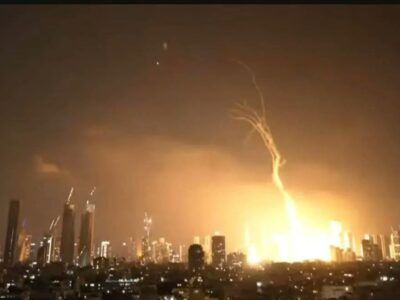
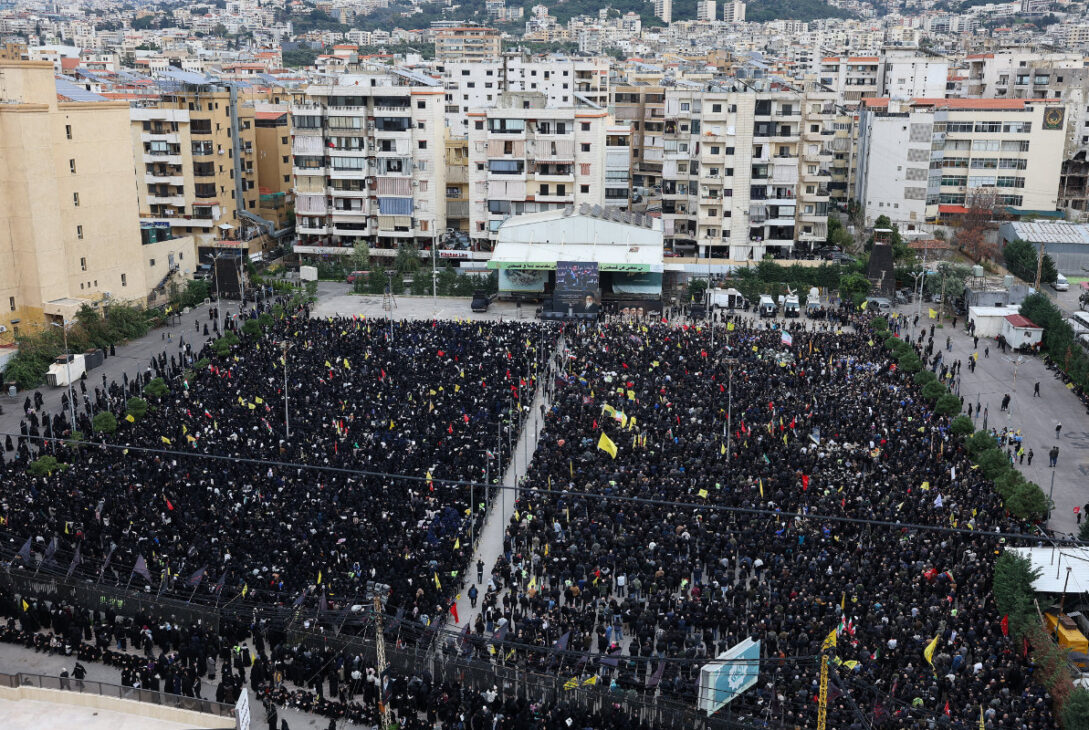
That all changed on Monday morning, though, when Hezbollah, which is supported by Iran, launched a barrage of rockets and drones into Israel from southern Lebanon, “in defense of Lebanon and its people” and “in retaliation for the pure blood of Ayatollah Khamenei.
Israel’s reaction was both predictable and quick. Lebanon is now one of the several nations involved in the most recent conflict in the area. Israeli planes swiftly hit targets all around the nation, including the Bekaa Valley, the southern suburbs of Beirut, and more than fifty communities in the south, warning residents to flee.
More than 30 people had been murdered and dozens more injured, according to reports from Lebanon’s National News Agency within hours. Following days of adamant warnings from Prime Minister Nawaf Salam and President Joseph Aoun that Lebanon should not be drawn into the larger regional conflict, Hezbollah launched a nocturnal attack on the Israeli city of Haifa.
Also Read:
Pentagon Reportedly Moves Closer to Ending Partnership with Anthropic