
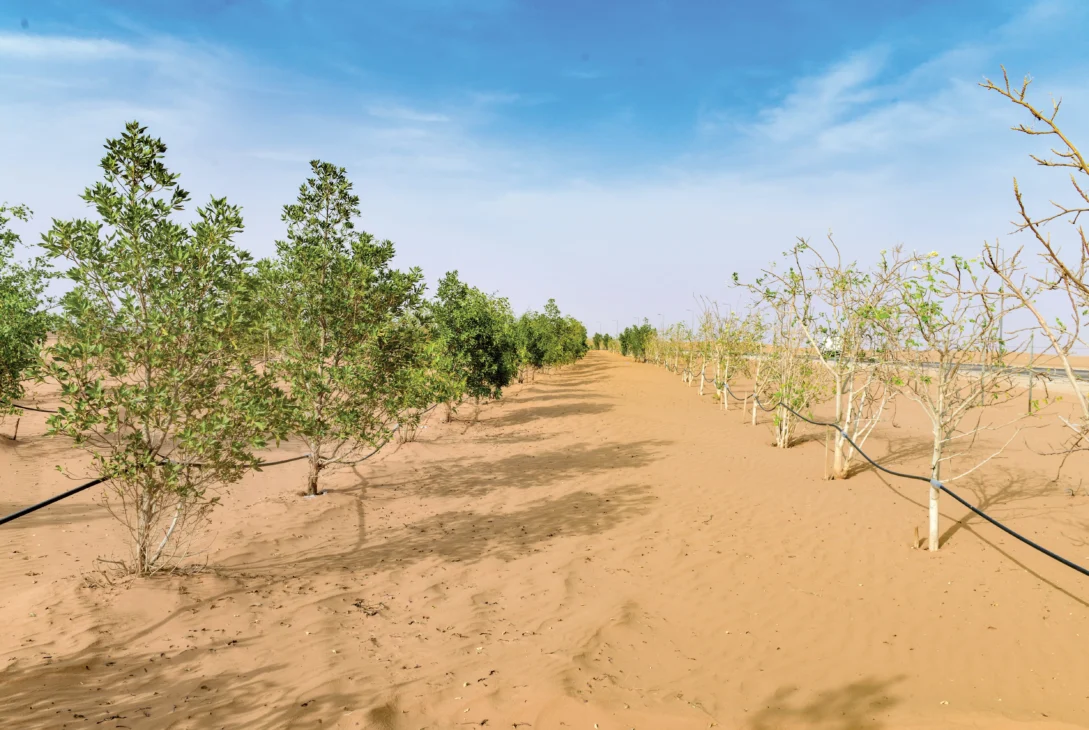
JEDDAH: According to the Saudi Press Agency, Saudi Arabia’s National Afforestation Program has discovered over 165 native plant species that are ideal for afforestation in the Asir region, showcasing the ecological richness of one of the Kingdom’s most environmentally varied places.
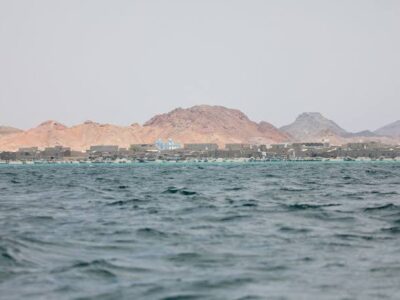
The results are part of larger government initiatives to improve land degradation, increase plant cover, and promote sustainability objectives associated with Vision 2030 and the Saudi Green Initiative. The program states that the detected species are found in a variety of Asir’s natural settings, including plains, rocky landscapes, highlands, slopes, valleys, mountainous terrain, and coastal regions that reach from the Red Sea to Tihama.
Fabaceae, Anacardiaceae, Burseraceae, Capparaceae, Ebenaceae, Euphorbiaceae, Malvaceae, Myrtaceae, Oleaceae, and Primulaceae are only a few of the many plant families to which the species belong. Large and small trees, as well as annual and perennial shrubs, herbs, succulents, bulbs, and climbing plants, are all appropriate for afforestation. The grey mangrove, mastic tree, mooring or ben tree, juniper, sycamore fig, wild olive, henna, wild jasmine, hawthorn, and arak are some of the most prominent species found.
Also Read:
Building a Global Ecosystem of Craftsmanship and Design with Tesoro Casa: Ankush Bansal