
There is a lot of demand on corporate executives to go green in today’s sustainability-driven market. One easy way to address this is by switching to bioplastics instead of traditional plastics. Nevertheless, this presumption simplifies an incredibly intricate matter. Although they are chemically similar, plastics and bioplastics differ in their composition, lifetime, ecological impact, and practicality. Choosing bioplastics over standard plastics based on the false assumption that bioplastics are intrinsically “good” instead of “bad” might have unintended consequences for the environment and the bottom line.
Deciphering the Nature of Plastics
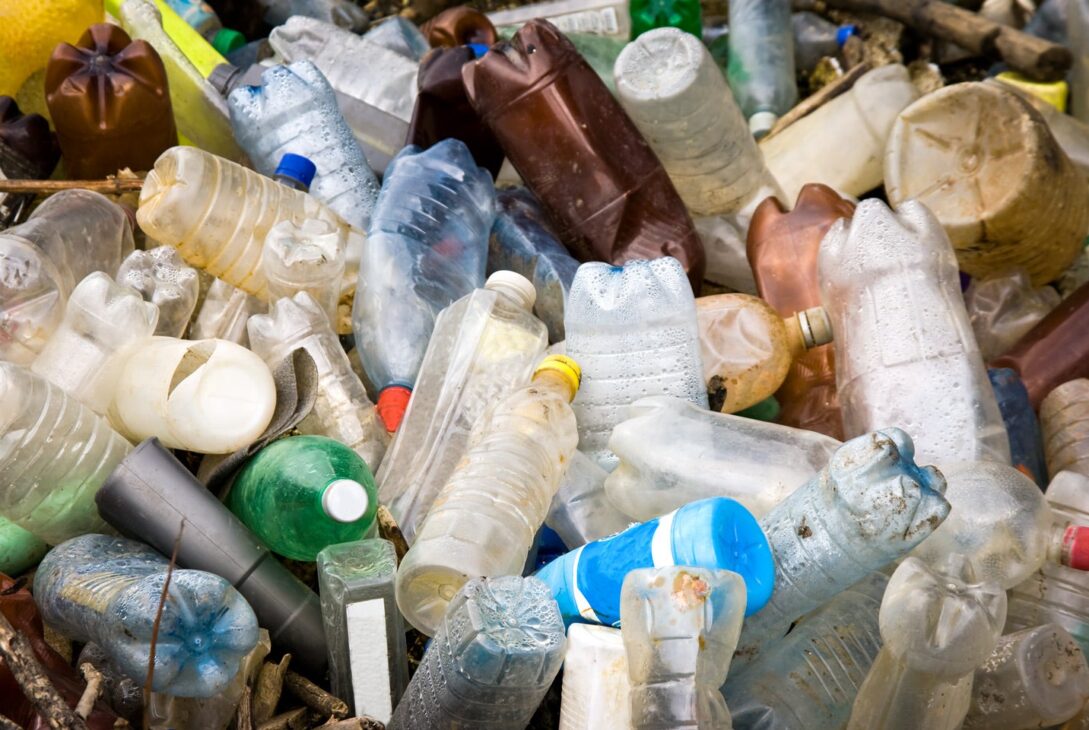
The majority of the synthetic ingredients used in traditional plastics come from fossil fuels like natural gas and petroleum. Packaging, automobiles, healthcare, and electronics are just a few of the many uses for these materials because of their affordability, adaptability, and long lifespan. Plastics aren’t necessarily bad for the environment, but the trash and pollution they cause are serious problems. Their manufacturing, consumption, and eventual disposal all contribute to the problem. Damage to the environment is typically caused by improper disposal of plastic trash, not by the trash itself.
The Common Error Regarding Bioplastics
A lot of people misunderstand bioplastics, even though they are promoted as a greener option. While some bioplastics can break down in the environment, not all biodegradable plastics come from sustainable sources. A few bioplastics are just regular plastics made from plants, such as sugarcane or maize starch; others are engineered to decompose in specific industrial settings. Due to the ambiguity surrounding the topic, many company executives mistakenly believe that transitioning to bioplastics would inevitably reduce environmental damage.
Comparison of Biodegradability vs Compostability
The distinction between biodegradability and compostability is a prevalent source of confusion. Even while a biodegradable substance can decompose spontaneously with time, it might take a long time and not work well in certain places. By comparison, industrial composting facilities often provide the ideal conditions for compostable plastics, including regulated temperature and humidity. If these facilities are not available, the materials might wind up in landfills, where they would act just like regular plastics. Companies risk wasting money on solutions that don’t improve the environment if they fail to recognize this difference.
Also Read:
Issam Mhanna: Turning Every Space Into A Timeless Experience
Hamed Alsahrji: From Business Transformation To Storytelling With Passion