

LONDON: As the Middle East conflict continues, Saudi Arabia has become a potential lifeline for other Gulf nations whose supplies of essential medications are running low. The airports in Riyadh and Jeddah continue to take deliveries from pharmaceutical businesses despite the frequent disruptions to Gulf airspace. After that, the medications can be driven to their final location. Oman and Istanbul were further choices.
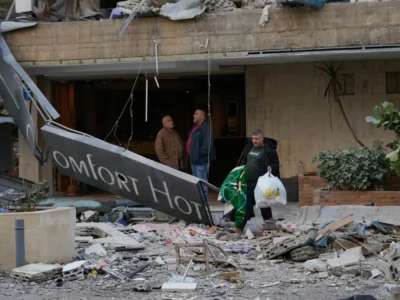
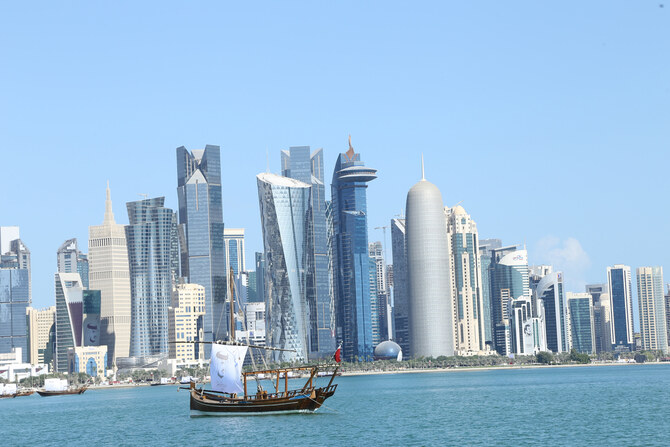
The Gulf is mostly dependent on imports, and several medications require stringent cold-chain storage due to their limited shelf lives. However, Iranian drone strikes and missile threats have forced the closure of key airports in the region, including Dubai, Abu Dhabi, and Doha. Major cargo hubs connecting Europe with Asia and Africa are Dubai and Doha.
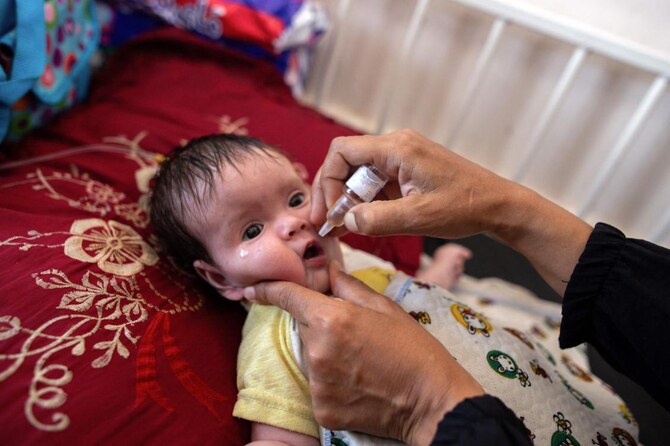
According to Prashant Yadav, senior fellow for global health at the Council on Foreign Relations, several healthcare facilities are warning that they may run out of supplies in four to six weeks. He noted that among those most at danger were cancer medications. Patients may suffer grave repercussions if oncology medication delivery is delayed.
According to industry data, more than a fifth of worldwide air cargo the primary route for vital or life-saving medications and vaccines was subject to disruptions in the Middle East, according to Wouter Dewulf, a professor at the Antwerp Management School.
Also Read: