
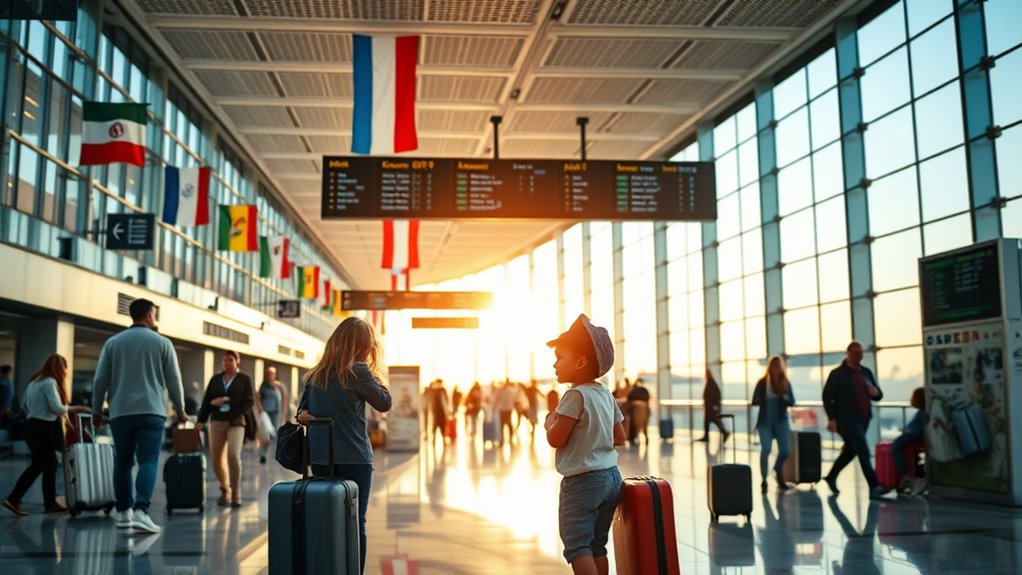
Investments have been pouring in to upgrade airport infrastructure and operational efficiency and apply artificial intelligence to reach the 10.2 billion passengers that are expected to travel by air worldwide in 2026, a 3.9 percent increase from the previous year.
Airports are relying on the growing use of AI to meet the surge in demand, according to statistics released by the Airports Council International.According to analysts and experts at this month’s Airport AI Exchange event, AI is now being integrated into airport workflows to transform everything from passenger flow management to airside maintenance, cybersecurity, lost luggage, and improving on-site and virtual customer experiences.
Delays are also being avoided by using AI-powered analytics to predict traffic at immigration, security, and boarding locations. In order to transition from reactive crowd management to predictive operations, resources are being allocated.
As airports look to enhance the traveller experience while preserving operational effectiveness, biometric processing and AI-powered baggage optimisation solutions are also becoming more popular. These technologies would enable travellers to pass through immigration without presenting a physical passport.
Also Read: