
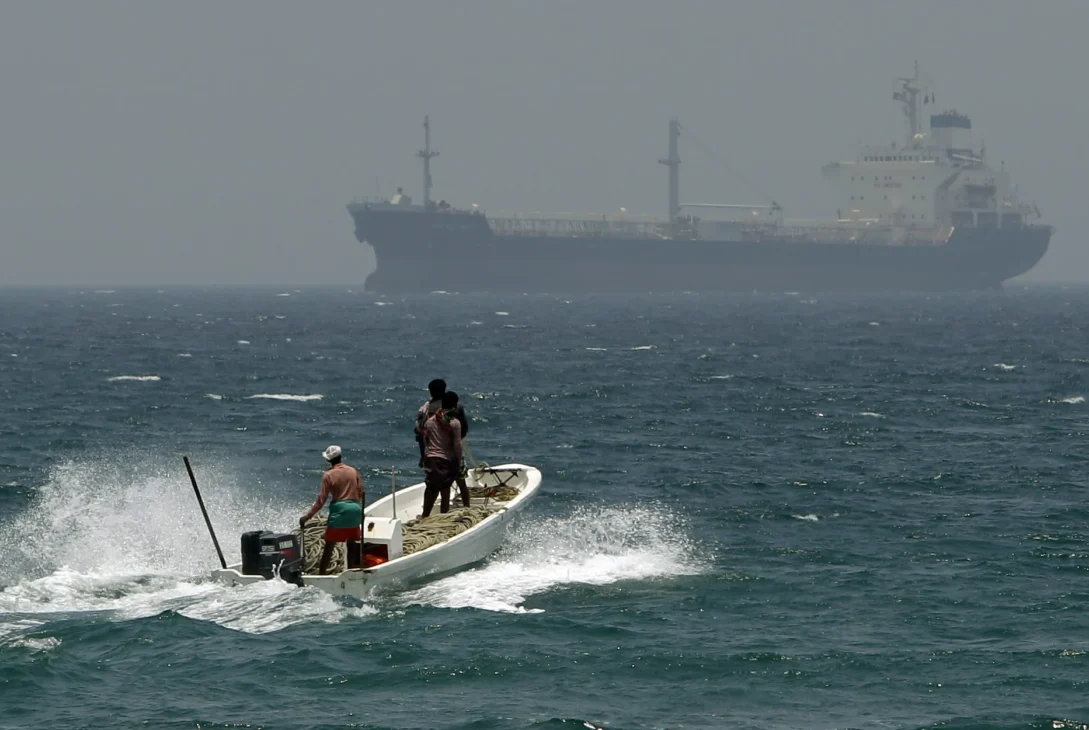
Analysts cautioned Thursday that if the US-Israel-Iran confrontation continues to impede commerce via the Strait of Hormuz and restrict regional airspace, some Gulf states may have to rely on overland food deliveries from Saudi Arabia. Up to 90% of the region’s food comes from imports, therefore price increases and shortages of some items are to be expected.
“If the war continues, Gulf states will face shortages as more than 70% of GCC foodstuffs are imported through the Strait of Hormuz,” stated Neil Quilliam of the Chatham House think tank. This can only persist for a few months, even though GCC nations have taken precautions to diversify supplies and guarantee enough stocks to sustain disruption. Price hikes and lengthier lead times will begin to affect the markets at this stage.
“The biggest immediate effect will be due to the blockade of Jebel Ali in Dubai, serving about 50 million people,” stated commodities analyst Ishan Bhanu. Essentially being landlocked, Qatar, Kuwait, Bahrain, and Iraq will have to rely on overland routes via Saudi Arabia.
The UAE claims that its strategic stockpiles of essential products cover four to six months’ needs, and bottlenecks have not yet materialized. It encouraged locals to use a special hotline to report unwarranted price rises.
Also Read:
Ramadan 2024: Anticipating the Sighting of the Crescent Moon for Ramzan in India and Saudi Arabia