
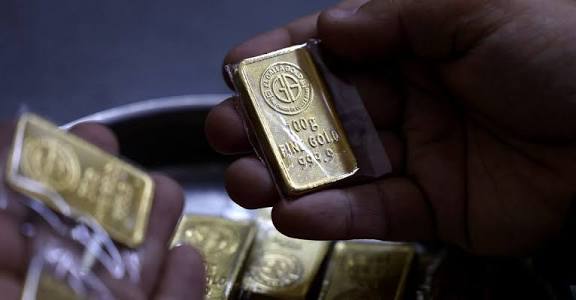
Due to reduced Treasury yields and expectations for progress on opening the Strait of Hormuz, gold prices reached their highest point in over seven weeks on Wednesday and were expected to record the largest daily rise since February.
By 1504 GMT, spot gold had risen 4.4% to $4,256.85 per ounce after breaking over the 50-day moving average, which currently supports it around $4,160, and reaching $4,258.99, its best level since June 18. Since last week, there is less chance of rate increases, hence early adopters are returning to precious metals. It helps that the dollar has dropped somewhat. The ‘pause’ in Iran is also beneficial, according to independent metals dealer Tai Wong.
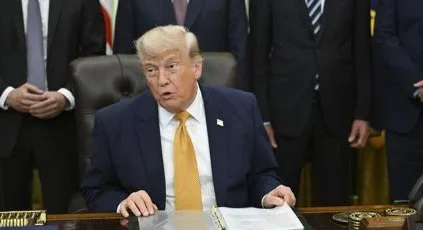
The yield on U.S. 10-year notes lingered near one-week lows after President Donald Trump stated that his administration had “very good discussions” with Iran during all-day negotiations, raising expectations that the five-month conflict may be coming to an end. Meanwhile, the dollar traded near six-week lows against key currencies.
But gold is still down 19% since the beginning of the Iran war and down 24% since reaching a record high of $5,595 in January. This has increased betting on interest rate increases and stoked worries about oil inflation.
The World Gold Council reports that central banks’ demand for gold in the first half of 2026 was the lowest since 2022. In the second quarter, bullion had its biggest quarterly decrease since 2013, plunging 14%, while outflows from gold-backed exchange-traded funds totaled 45 tons.
Also Read:
The Rise of Humanoid Robots with Language and Boxing Skills in Hong Kong