
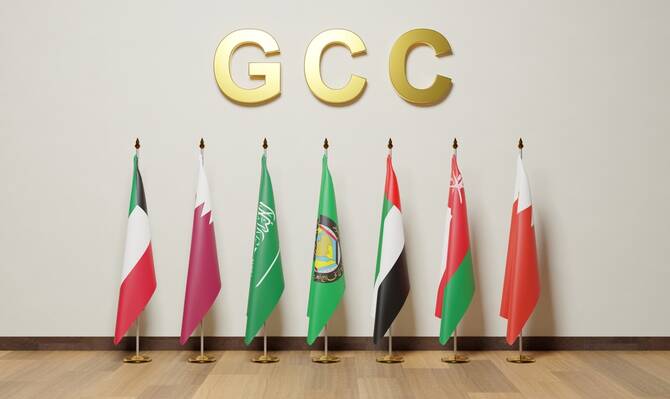
RIYADH: Despite geopolitical unpredictability and somewhat declining oil prices, S&P Global Ratings projects that the majority of rated corporations in the Gulf Cooperation Council will continue to have stable credit profiles in 2026.
S&P stated in its research, “GCC Corporate and Infrastructure Outlook 2026: Stability Despite Uncertainty,” that issuers should be able to manage possible tail risks because to excellent credit quality, sufficient cash buffers, and sovereign support. A rating action is not what the report is. In 2026–2027, the GCC’s economy is expected to grow by 2-4 percent thanks to strong domestic demand, increased government infrastructure spending, and growing hydrocarbon production.
Efforts to diversify are progressively decreasing volatility. About 75% of the UAE’s and Saudi Arabia’s GDP currently comes from non-oil industries, and the bloc’s average inflation rate is predicted to remain stable at 2% for the next two years.
One of the primary downside risks is still geopolitical tensions. S&P warned that significant disruptions, like a temporary closure of the Strait of Hormuz, may impede oil exports, tighten financing conditions, and put pressure on corporate performance, even though its base scenario anticipates a small credit impact.
Also Read:
Folk Maritime: A New Venture in Saudi Arabia’s Maritime Industry