
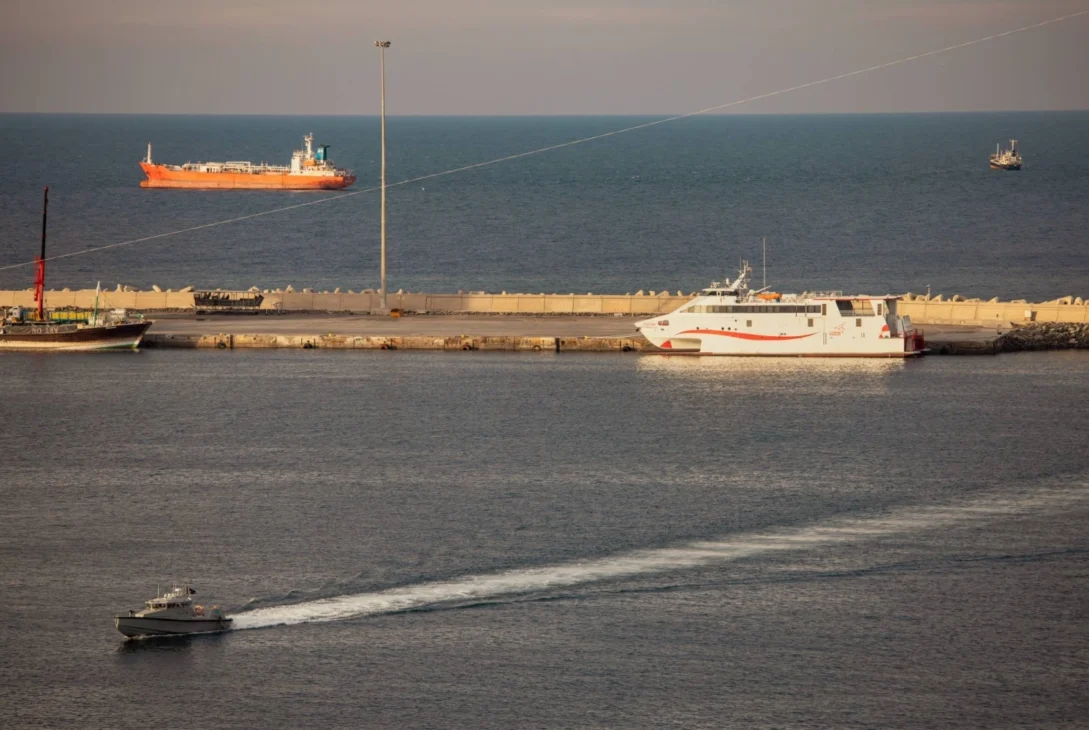
LONDON: Iran’s state media said that over 30 ships have crossed the Strait of Hormuz in recent hours, and the semi-official Fars news agency quoted a source as saying Iran had begun allowing transit for certain Chinese vessels. As a result, oil prices fell on Thursday.
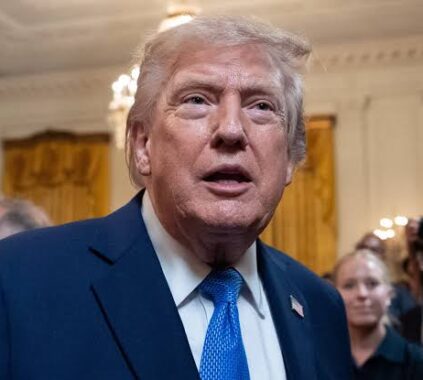
In the meantime, the White House reported that both Chinese President Xi Jinping and US President Donald Trump agreed that the Strait of Hormuz must be open for the free movement of energy. “Make America Great Again” and “rejuvenation of China” can coexist, according to Xi.
At 5:22 p.m. Saudi time, Brent crude oil futures were down 60 cents, or 0.6 percent, to $105.03 per barrel, easing from an earlier high of $107.13 per barrel. At $100.50, US West Texas Intermediate futures fell 52 cents, or 0.5 percent.
As rising fuel costs increase inflationary pressures, investors’ concerns about potential US interest rate hikes caused both contracts to decline on Wednesday. WTI futures fell more than $1, while Brent crude futures shed more than $2 a barrel.
According to the White House, Xi showed interest in buying more US oil to lessen China’s reliance on the Strait of Hormuz. Due to a 20 percent import tax imposed during the trade war, China, which has never been a major importer of US petroleum, has not purchased any since May 2025.
Since the Iran conflict started at the end of February, the Strait of Hormuz, a vital energy gateway, has been mostly closed. Iran looks to have strengthened its hold on the strait by severing agreements with Pakistan and Iraq to export liquefied natural gas and oil from the area.
Also Read:
Shamzani Hussain | Shaping the Future of the Financial Industry by Innovating and Making an Impact
Dr. Sofica Bistriceanu | Bridging Medicine, Research, and Human Connection