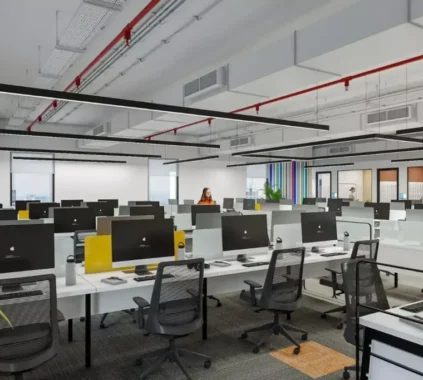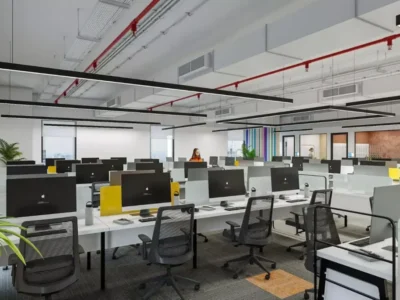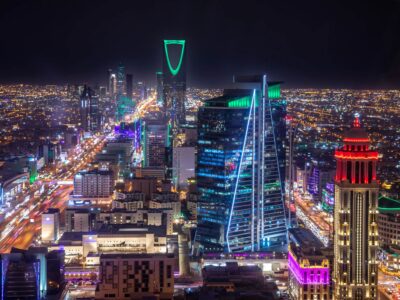

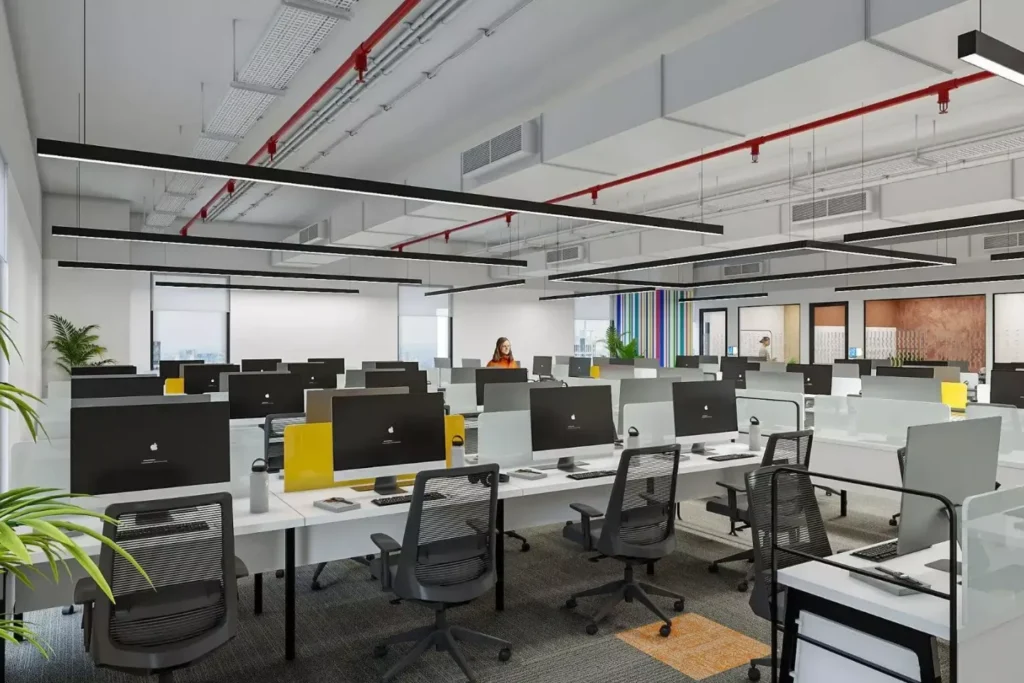
The Middle East’s flexible office market is entering a new phase of expansion, as companies seek greater adaptability in response to changing workplace patterns, artificial intelligence-driven disruption and an influx of new enterprises into the area, according to a new analysis by JLL.
The consultancy’s 2026 evaluation of the Middle East and Africa flexible workspace sector stated that flexible offices are moving from a niche product to a key component of corporate real estate portfolios. At the same time, the majority of companies still rely significantly on traditional office leases, which JLL calls a massive opportunity for future growth.
More than 90% of corporate real estate portfolios in the region are still tied to traditional long-term leases, the survey found. Globally, less than five per cent of firms are investing more than 10 per cent of their portfolios in flexible workplaces, while more than 40 per cent are investing one per cent or less.
The changing work patterns and AI are making it increasingly difficult for organisations to forecast future labour requirements and office needs, and consequently, they are seeking more flexible workspace solutions,” said JLL.
The flex office sector is evolving and the convergence of a ready, financially-robust supply and a growing appetite for agility in the face of AI and evolving business needs has created a defining moment for the sector,” said Dana Williamson, Head of Offices, Business Space & Retail – MEA at JLL.
Also Read:
Gaza Humanitarian Crisis: UNICEF Reports 300 Children Killed in 300 Days
Why the US Launched Retaliatory Strikes on Iran: Causes and Consequences