
Geneva: Ten relief officials told Reuters that disruptions from the Middle East war are limiting vital humanitarian air, sea, and land routes, delaying life-saving supplies to some of the world’s worst crises.
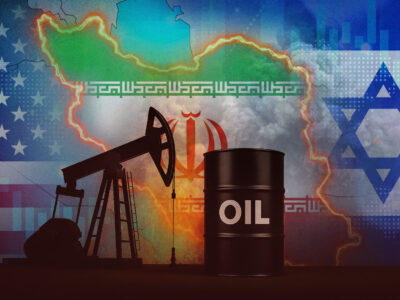
With airspace bans and the suspension of shipping through the vital Strait of Hormuz, the US-Israeli war on Iran reached its seventh day on Friday, rocking international markets and upsetting supply chains.
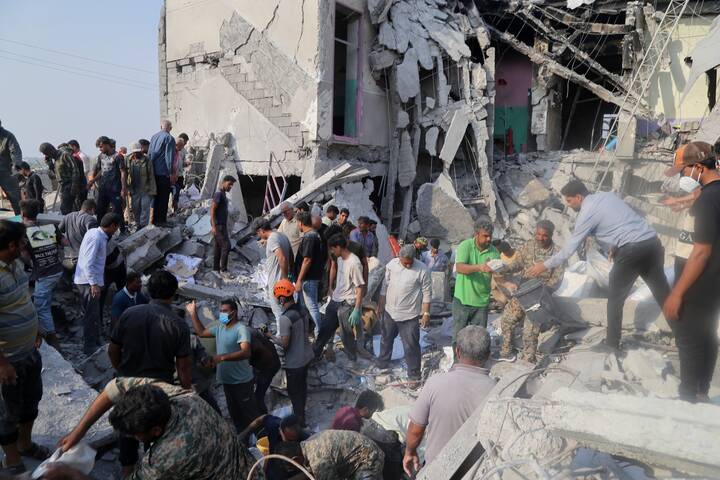
The expenses of providing aid to the hundreds of millions of people facing hunger crises worldwide are skyrocketing, and aid to Gaza and Sudan is coming to a standstill. According to Jean-Martin Bauer, Director of Food Security at the World Food Programme, “people in dire need of assistance will have to wait longer for food.”
According to the International Organization for Migration, supplies of tents, tarpaulins, and lamps that were meant for the West Bank and Gaza, which are under Israeli occupation, have already been entangled in the supply chain.
According to aid organizations, budgets already under severe donor cuts are being strained by rising operating costs. According to the IOM, shipping companies were requesting emergency surcharges of about $3,000 per container.
According to Cecile Terraz, a director of the International Federation of Red Cross and Red Crescent Societies, trauma kits in an estimated 1 million Swiss francs ($1.28 million) pre-positioned emergency stockpile at its Dubai hub cannot be moved to assist the Iranian Red Crescent with search and rescue.
Also Read:
Discover 22 Exciting Activities in Riyadh for the Week Ahead