
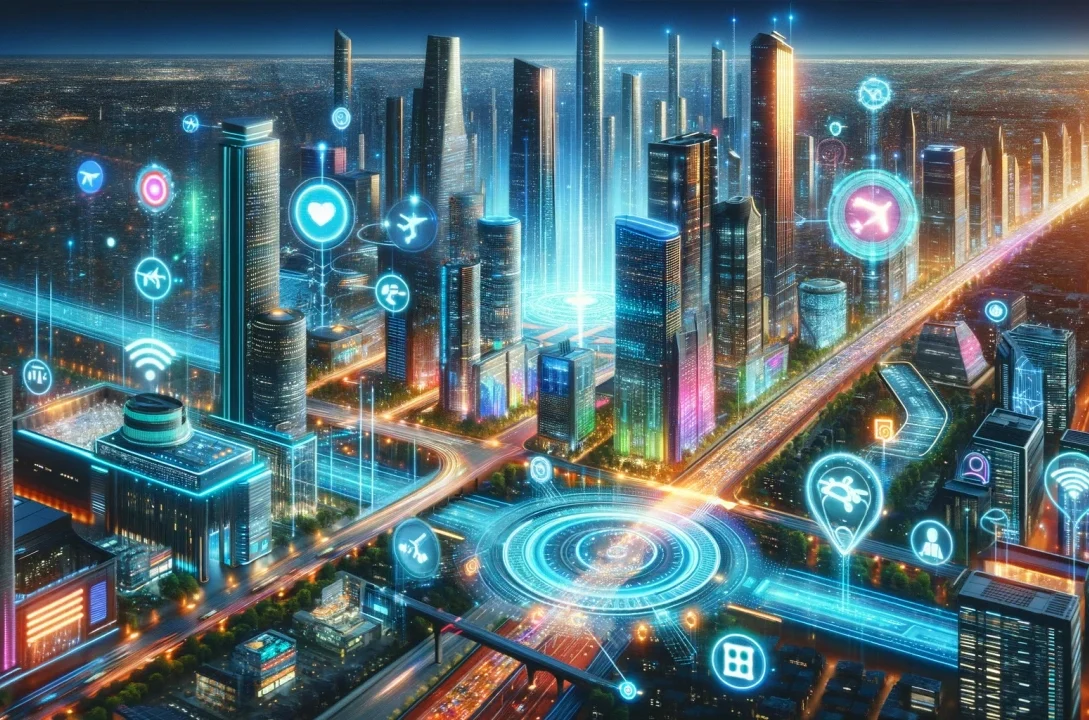
We are on the verge of a dramatic shift in which intelligence becomes ambient, creativity becomes infrastructure, and innovation transitions from something we discuss to something we live with. The next decade’s victors will be ecosystems rather than individual companies or goods. Places that comprehend how the future is actually built. For years, artificial intelligence has resided within apps, dashboards, and productivity tools. In 2026, AI graduates. It transitions from something you utilize to something you collaborate with.
AI agents will plan businesses, create goods, negotiate contracts, write code, generate content, and manage operations as silicon co-founders, rather than helpers. Every business will effectively become a multi-person firm from the outset.
The true competitive edge will no longer be access to AI, but how smoothly an environment allows humans and machines to collaborate. The future belongs to settings designed specifically for AI-native firms, not retrofitted for them.
By 2026, digital identification will extend beyond individuals to include corporations, assets, licenses, and intellectual property. Businesses will be born digital, verified quickly, and capable of functioning globally from the start. The next wave of global creativity will come from places that treat artists the same way earlier generations treated manufacturers or financial institutions: with purpose-built surroundings, cutting-edge technology, and no barriers to scale.
Also Read:
Alliance Française Khobar celebrates Saudi women entrepreneurs.
Albandari Alyamani On Being An Apt At Marketing Skills