

RIYADH: How could a missile strike on a Qatari gas facility increase the price of maize in Bangladesh? The solution is a commodity that is unpalatable, yet it is a substantial component of the global food supply: fertilizer.
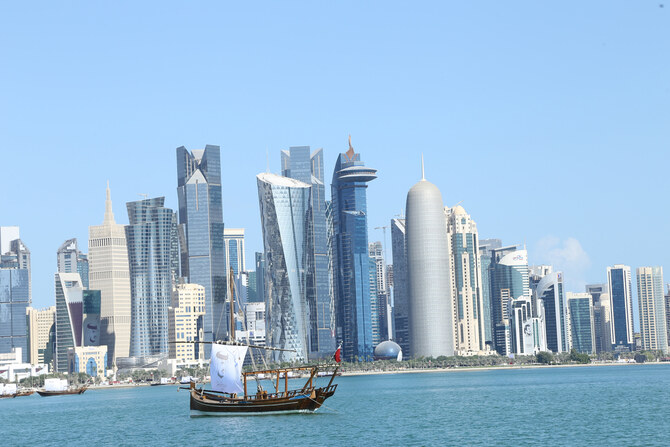
Ammonia is generated by the combustion of natural gas in Qatar, and it is subsequently converted to urea. The soil in which cereal is cultivated is amended with urea. The South China Morning Post reports that the disruption of the initial stage, as Iran did on March 1, when it struck QatarEnergy’s liquefied natural gas processing facility, will result in cascading effects through the food production chain.
Since the Qatari LNG facility was shut down, the price of urea in Southeast Asia has increased by over 40%. Prices for April and May shipments had surpassed $700 per tonne by March 9, the highest level since the third quarter of 2022, when the Russia-Ukraine War disrupted global supplies. At present, the Gulf region is responsible for approximately 45% of global urea exports.As long as the Strait of Hormuz remains closed, an estimated 3 to 4 million tonnes of fertilizer per month will not be able to reach markets, according to Signal Ocean, an analytics firm.
Also Read:
Why Venezuela Swore In 5,600 New Troops: Key Reasons Behind the Move
Saudi Entertainment Authority Unveils Initiative to Boost Creativity and Innovation