
RIYADH: After contracting this year, the Middle East and North Africa region is expected to rise by 8.5 percent in 2027, according to a prediction by BMI, a Fitch Solutions subsidiary. In contrast to its June projection of a contraction of 0.9 percent, BMI projects that the MENA GDP will drop by 3.3 percent in 2026. According to BMI, the 2026 recession would surpass the 2.5 percent loss seen during the 2020 pandemic and be the worst MENA-wide dip in forty years.
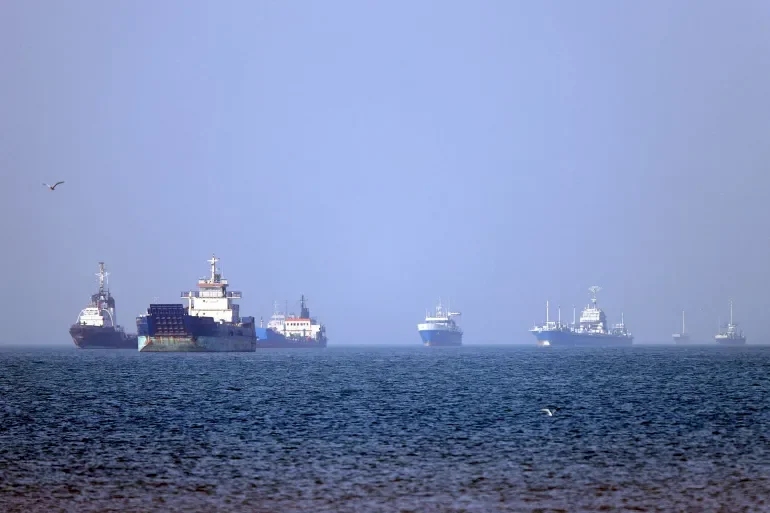
The downgrading is a reflection of a longer-lasting disruption to traffic over the Strait of Hormuz, which postpones the recovery of services, trade, investment, and hydrocarbon production. The International Monetary Fund’s July downgrade, which predicted growth in the Middle East and Central Asia would drop to 0.7 per cent in 2026 before rising to 6.5 per cent in 2027, down from April forecasts of 1.9 per cent and 4.6 per cent, respectively follows this forecast.
The Gulf Cooperation Council’s GDP would depend heavily on the Strait of Hormuz, according to Mariette Ras Khanna, associate director at BMI, who told Arab News that a protracted shutdown would pose serious threats to economic activity.
Also Read:
Discover 22 Exciting Activities in Riyadh for the Week Ahead