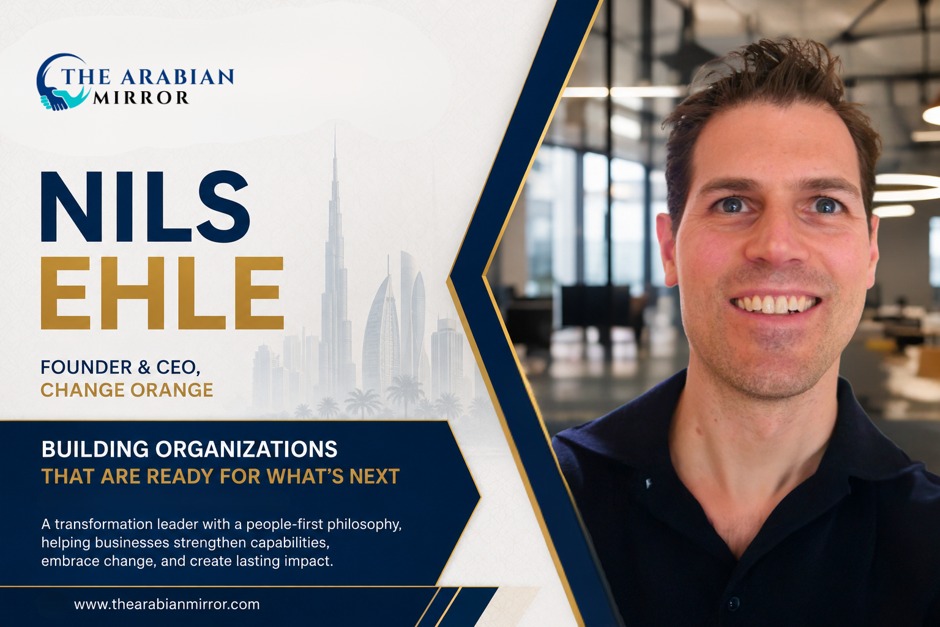


Organizations fail because strategy is divorced from organizational design, not because they don’t have a strategy. When we give that some serious thought, the role of a modern HR department is completely reframed. The function that creates how people operate should be at the center of any business strategy if growth depends on execution and execution is essentially human.
HR is not a support role; rather, it is a strategic business engine that helps the top companies grow. The majority of organizations try to expand using procedures and structures intended for a different stage of development, most likely because it is more comfortable to do so.
In order to assist the development of operational models that are in line with strategic aims, reward systems that encourage appropriate behavior, and talent supply chains that develop capability before it’s too late, HR’s input as an organizational architect becomes crucial.
Your rivals will eat your lunch if your strategy calls for innovation but your architecture encourages cost containment. Speed to market will be negatively impacted if leadership responsibility is unclear. Incorporating HR as a business driver guarantees that structure makes expansion feasible rather than optimistic.
Also Read:
Shamzani Hussain | Shaping the Future of the Financial Industry by Innovating and Making an Impact
Dr. Sofica Bistriceanu | Bridging Medicine, Research, and Human Connection