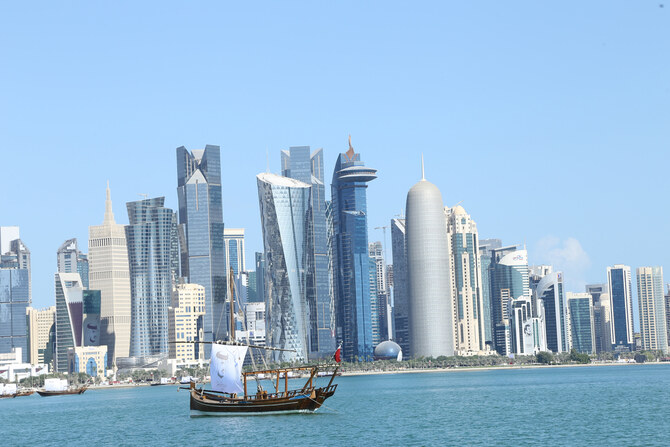


Scale, pace, and ambition have characterized the UAE’s urban narrative for many years. Leading that story are Dubai and Abu Dhabi, which provide infrastructure, a lifestyle centered around mobility, employment prospects, and international prominence. Although that approach is still effective, younger residents are drawn to other models as well.
Gen Z has grown up in a connected world. Digital platforms influence identity, work, social life, and leisure. Opportunities have been created, but pressure has also intensified as a result. Many younger people are more conscious of burnout and how their environment affects their mental health.
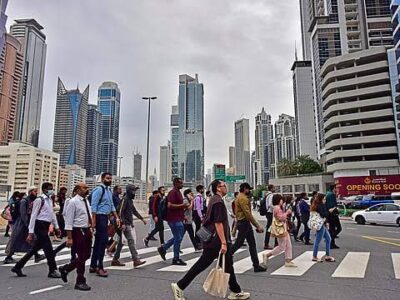
Their decision regarding where to live is being influenced by this. Long commutes, congested areas, expensive rent, and lifestyles driven by materialism are all being questioned. Many people measure a place’s desirability not just by what it delivers but also by how much pressure it relieves.
Communities with lower densities provide a significant contrast. The daily stress that frequently accompanies living in a city center can be lessened by shorter commutes, simpler access to outdoor areas, and quieter neighborhoods. More time means less traffic. Less stress is the result of having more space. For Generation Z, this does not mean abandoning ambition. It involves selecting settings that enhance their performance.
Also Read:
Omar Al Abdulqader On Reshaping Hydraulic Solutions Through Arabian Delta
Sanjeet Manek’s Vision To Reshape Distribution