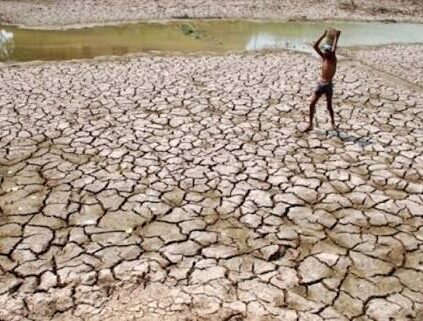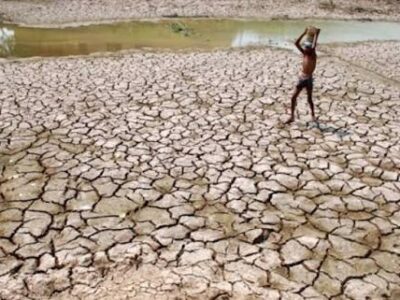

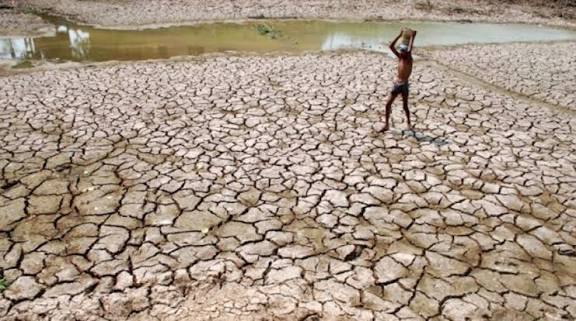
DAMASCUS: The Syrian Arab Republic is working to restore irrigation networks, rehabilitate vegetation, and increase agricultural production in the country’s desert oases, which are vital sources of income and employment for rural communities increasingly affected by drought and water shortages.
The country’s extensive Badia region has oasis that sustain farming, cattle breeding and local trade, allowing residents to retain their livelihoods in locations where yearly rainfall normally varies between 100 and 200 millimetres.
The oasis are a key economic and social asset for producing agricultural goods, grazing grounds and jobs for the local population, said Bayan Al-Abdullah, director-general of the General Authority for the Management, Development and Protection of the Badia. The development might also provide chances in food processing, traditional handicrafts and ecotourism, he added, helping to diversify household incomes and enhance rural economies.
Many provinces have oasis, administered by the government over diverse areas. It is situated on the countryside of Damascus, Al-Batma Oasis, over an area of 50 hectares. The main oasis in Homs province include Al-Sawana (75 hectares), Wadi Al-Ahmar (27 hectares), Al-Munsef (23.4 hectares), Arak (25 hectares), Al-Hafna (47 hectares), Sabkhat Al-Mouh (63 hectares), Al-Abtar (50 hectares) and Khneifis (25 hectares).
In Deir Ezzor province, the Kabajeb Oasis is 73 hectares and Al-Shoula is 38 hectares. Privately owned agricultural oasis are supporting farming communities near Palmyra, Al-Sukhnah, Al-Qaryatayn, Eastern Qalamoun, Al-Bukamal and Al-Mayadeen.
Also Read:
Consulting Done Right: Ahmed Mousa On Making A Lasting Impact
Rachid Benslimane: Driving Business Growth Through Technology