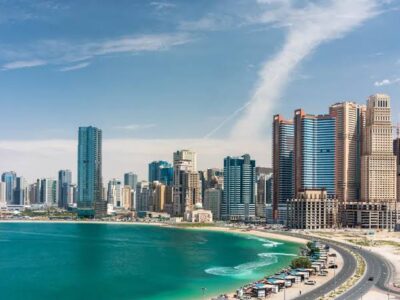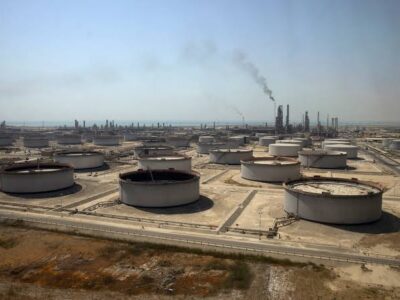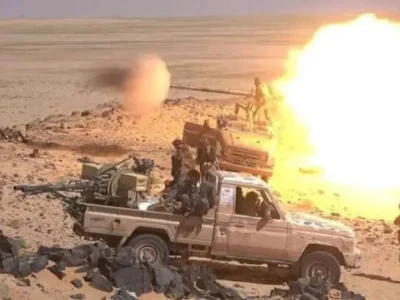

On September 13, additional strikes on Saudi Arabia and ships in the Arabian Gulf strained nerves in the Middle East, following an attack on a Saudi oil pipeline and an advance by Iran-backed Houthis in Yemen that threatened to exacerbate the ongoing disruption to global energy supply.
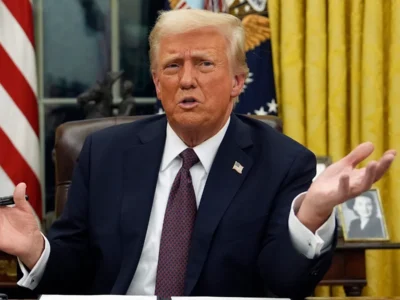
During his visit to Ireland, Trump drew parallels with the US-Venezuela deal, which was announced in August, in remarks about the US-Iran war. “We’ll ultimately get out (of Iran), unless we decide to stay and keep the oil like Venezuela,” he stated.
Warning sirens sounded briefly in Saudi Arabia to warn citizens of potential danger as the Houthis continued their bombardment on the Kingdom. The violence has had an ongoing impact on seafarers. A total of 13 Indian sailors were rescued from a ship assaulted off the coast of Oman, and police are still looking for one missing sailor.
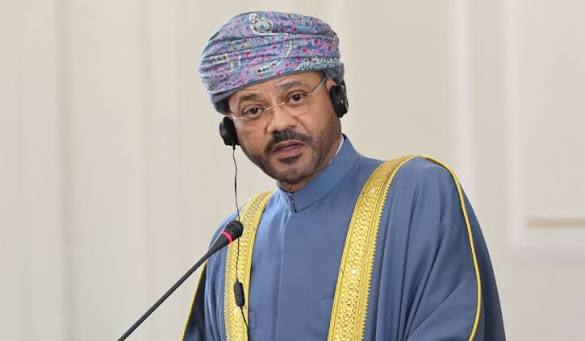
Diplomatically, a US official told Reuters that a meeting between Lebanon and Israel may take place in Rome next month. Meanwhile, Oman’s Foreign Minister stated that a conference between Arab Gulf countries and Iran in Oman has been postponed “in the interests of consensus”.
Also Read:
Omar Al Abdulqader On Reshaping Hydraulic Solutions Through Arabian Delta
Sanjeet Manek’s Vision To Reshape Distribution