

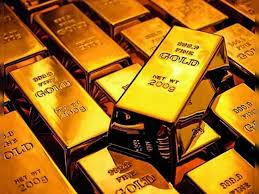
Gold prices sank to a two-month low on Thursday as fresh US strikes on Iran bolstered the currency and drove up oil prices, raising concerns about increasing inflation and clouding the interest rate outlook. Spot gold was down 1.7% at $4,380.62 per ounce as of 0409 GMT, having previously fallen to its lowest level since March 26. U.S. gold futures for June delivery dropped 1.6% to $4,377.10. The dollar hit a one-week high, making greenback-priced bullion more expensive for holders of other currencies.
The US military launched new strikes in Iran, targeting a military site that officials believed posed a threat to US forces and commercial shipping in the Strait of Hormuz, a US official said, hours after President Donald Trump dismissed an Iranian report of a deal to restore traffic through the strategic waterway. Prices rose more than 3% on Thursday after Iran’s Revolutionary Guards said they struck a US airbase in reaction to the strike.
Higher crude prices can hasten inflation and keep interest rates higher for longer. While gold is regarded as an inflation hedge, rising interest rates have a negative impact on the non-yielding commodity. Reserve Governor Lisa Cook said on Wednesday that she believes the US central bank should keep short-term interest rates stable for the time being, but that with tariffs, the Iran war, and an increase in AI-related investment pushing prices higher, she is willing to raise rates if necessary.
Also Read:
US EV Charging Infrastructure Struggles To Keep Pace Amid Fuel Price Surge
Palo Alto Investment In Coyote Valley Farmland Signals Growth In San Jose