
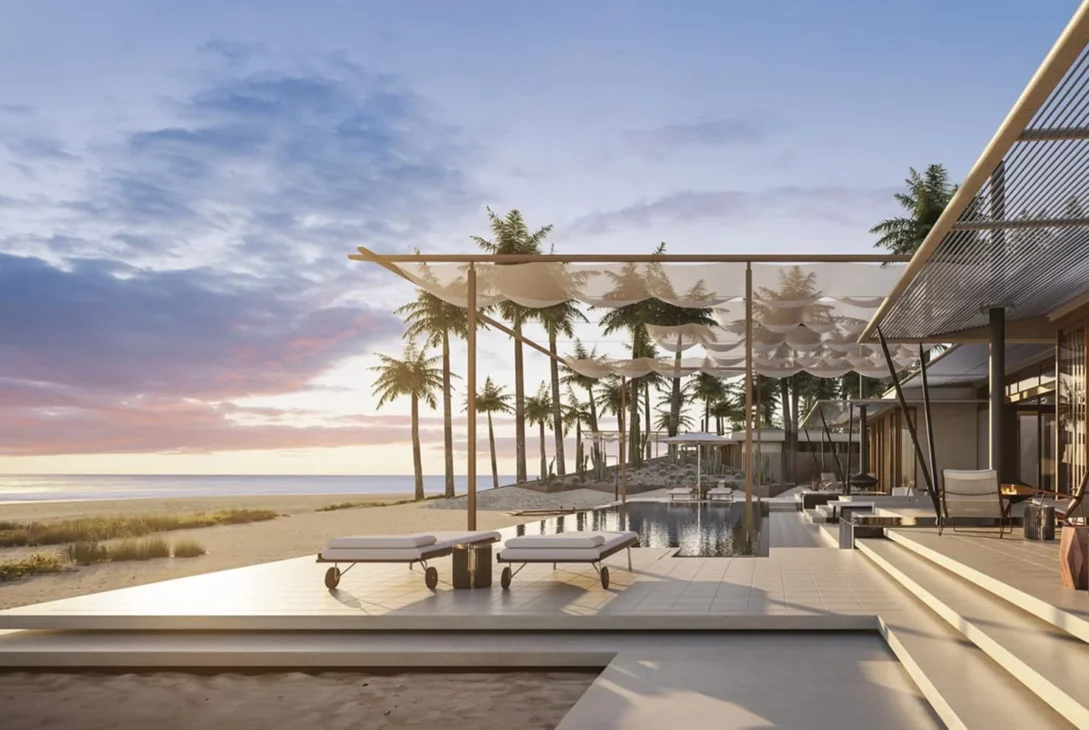
With demand transitioning from traditional spa treatments to integrated health, recovery, and lifestyle experiences, the Middle East’s rapidly growing wellness tourism business is offering hotel owners previously unheard-of prospects.
Spa Wellness Project Management (SWPM) claims that the area is going through a structural change as more hotels see wellness as a primary source of income, client satisfaction, and brand distinction rather than as a supplementary feature.
Since starting SWPM in 2020, the Dubai-based business, which runs the Rayya Wellness and Wellbeings Holistic Healing brands, has expanded its portfolio to more than 20 hotels throughout the area.
Visitors no longer come to a spa to unwind for an hour. They have done their homework and come with recovery objectives, health goals, and stress management requirements. Investment choices throughout the Gulf are changing as a result, especially as governments begin to view wellness travel as a cornerstone of more comprehensive economic diversification plans.
Kiefer claims that the UAE’s wellness tourism industry is currently valued at over $11 billion thanks to the UAE Tourism Strategy 2031, while Saudi Arabia is incorporating wellness as a key element of Vision 2030 through opulent resorts, immersive retreats, and hospitality initiatives that prioritize recovery.
According to Kiefer, “the kingdom’s wellness tourism market is expected to reach $15 billion by 2033, and the scale of new hotel development aligned with Vision 2030 giga-projects is creating demand for credible wellness operators who can deliver at the highest international standard.\
Also Read:
Alliance Française Khobar celebrates Saudi women entrepreneurs.
Albandari Alyamani On Being An Apt At Marketing Skills