
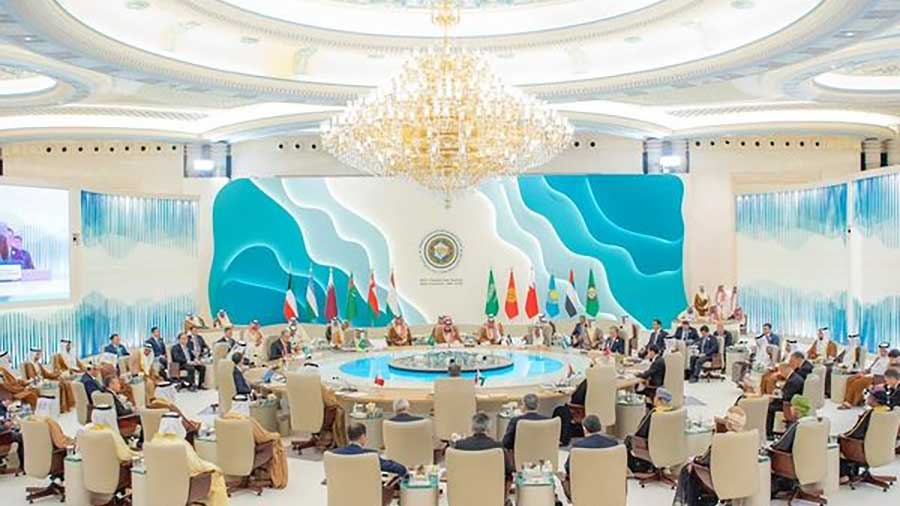
The Covid-19 pandemic has expedited the transition toward online meetings, which has gained new impetus in the UAE and Gulf, GCC spurred not just by soaring airfares but also by mounting pressure on corporate margin. Business travel in the Middle East had largely returned to pre-pandemic levels before the recent regional conflict hampered the recovery. However, in the weeks after the ceasefire, executives say the return to face-to-face meetings has been limited at best.
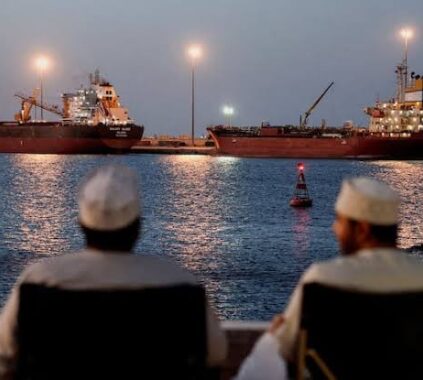
Higher flight expenses are just one cause. The more notable issues are travel safety advising rules, notably for multinationals, and growing energy prices, which squeeze margins and force enterprises to cut overheads across the board,” he noted. Airfares have risen significantly since March 2026, owing to a surge in jet fuel prices following the US-Israel-Iran war and the blockade of the Strait of Hormuz.
According to Sultan Ahmed Al Jaber, Minister of Industry and Advanced Technology and Adnoc’s Managing Director and Group CEO, the Hormuz closure has resulted in a more than 20% increase in airfares. According to Khaleej Times, airfares are expected to remain roughly 30% higher this year than last due to high jet fuel prices and restricted airline capacity as a result of flight limitations and airspace closures.
Also Read:
Sameer Saleem’s Vision To Redesign The Hiring Sector
Gregory Kimpton On Building Meaningful And Sustainable Real Estate Projects