
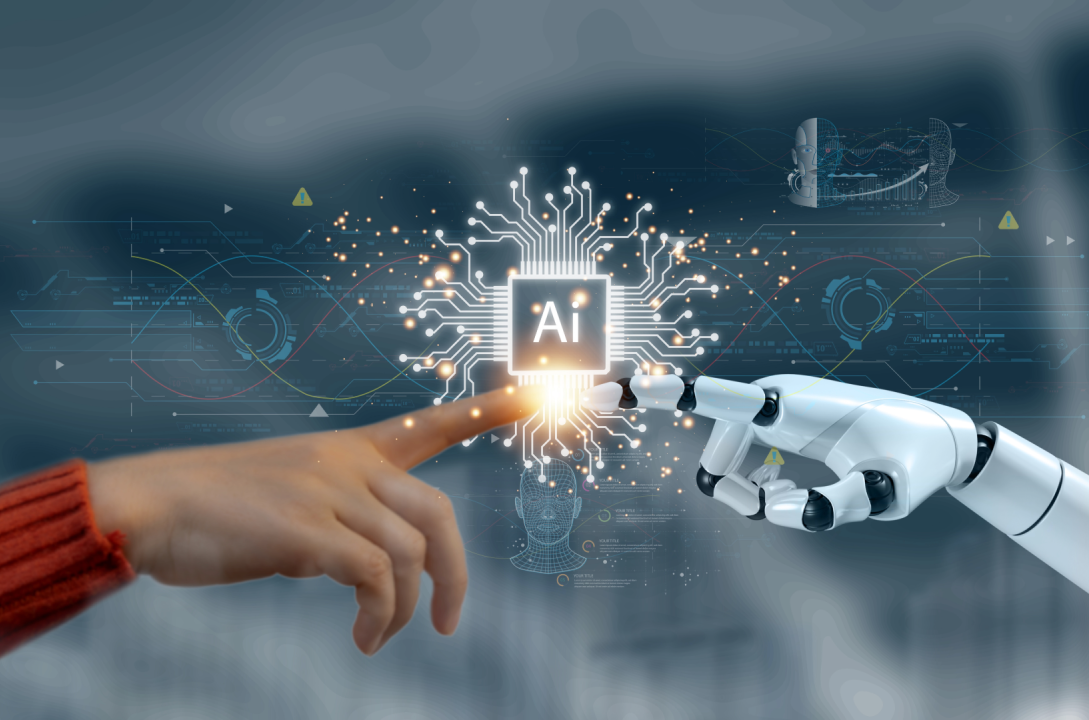
AI can match human talent. But, can it be trusted? Hiring is increasing faster all across the world, but it’s not always wiser. AI-powered recruitment platforms can now screen thousands of profiles in minutes. Interviews are automated. Talent pools are global. On the surface, the system appears efficient. But underneath the speed is a bigger issue: trust.
Several global polls indicate that a sizable proportion of resumes include overstated or inaccurate information. At the same time, companies are increasingly concerned about validating credentials in cross-border employment contexts. As recruitment gets more algorithmic, the quality of input data is more important than ever. AI is capable of matching human talent. However, it cannot independently check whether the talent is genuine. This is the structural gap we’re about to enter.
Traditional CVs were designed for a paper-based world. It is static, self-declared, and only changes when a candidate chooses to amend it. It reveals little about whether the listed achievements were verified, abilities displayed, or credentials were genuine.
Instead, a new model is emerging: the CV as a dynamic, verified professional record rather than a static document. A dynamic profile that changes with certifications, responsibilities, promotions, and talents displayed, all supported by authorized credentials.
Also Read:
Germany Orders Global Recall of BMW Vehicles: What Owners Need to Know