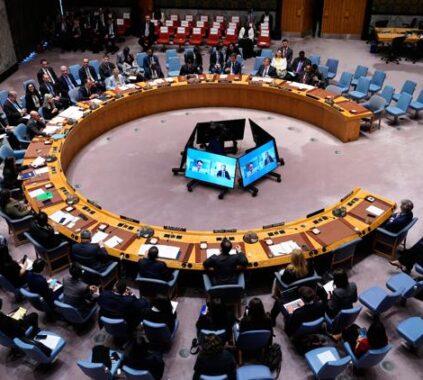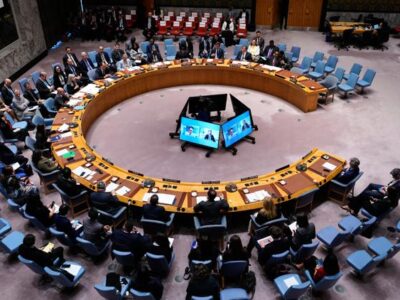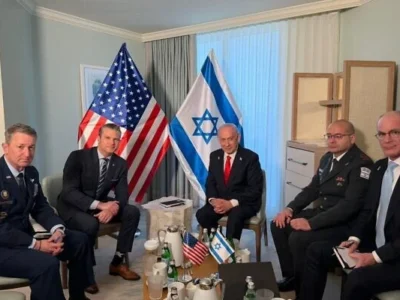

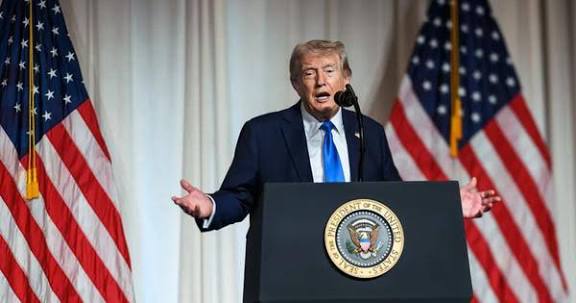
As the United States and Iran announced that an agreement had been achieved, the focus has shifted from talks to implementation. President Donald Trump stated that the agreement is “all signed” and that specifics would be disclosed following a formal signing ceremony on June 19 in Switzerland.
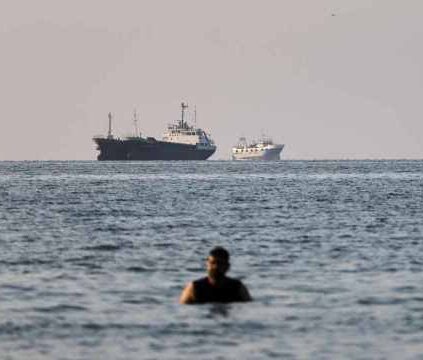
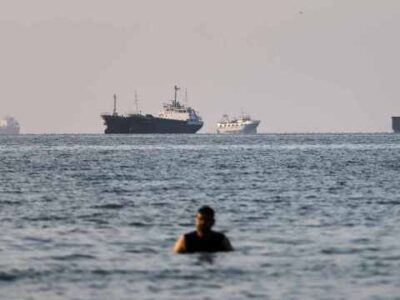
In another sign of lessening tensions, Trump said oil-laden ships have resumed transit through the Strait of Hormuz, and a US official confirmed the key waterway will remain toll-free for 60 days under the agreement.
Even as preparations for the signing continue, some restrictions remain in place. The US military has stated that its blockade of Iranian ports will continue until the cease-fire agreement is properly concluded. A senior US source also emphasized that Israel’s withdrawal from Lebanon is not part of the agreement, and Israel retains the right to defend itself against Hezbollah assaults.
Questions about sanctions and blocked Iranian wealth continue to be a major focus. While Iranian Foreign Ministry spokeswoman Esmaeil Baghaei stated that Washington has promised to allowing Iran to access blocked assets, he emphasized that the US will not directly transfer funds to Tehran. Similarly, a senior US official stated that no unfrozen Iranian assets have yet been released by the United States or any other country.
Also Read:
Germany Orders Global Recall of BMW Vehicles: What Owners Need to Know