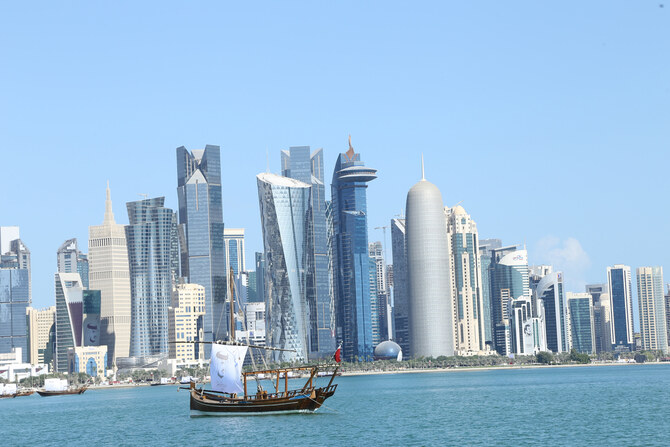


RIYADH: Saudi Arabia and other Gulf nations are changing the way they fund the next generation of infrastructure, going beyond government expenditures to use institutional and private funding for energy, water, and digital economy initiatives.
As governments, development banks, sovereign investors, and private capital increasingly split the cost of transforming large-scale projects into long-term investable assets, the transformation represents a broader shift in the Gulf’s investment paradigm. The amount spent on infrastructure is not the only thing that is shifting in the Gulf. The funding model is undergoing a transformation.
Government funding alone is no longer sufficient to fulfill the growing investment needs as projects spread across energy, water, transportation, and the digital economy. In the meantime, large pools of long-term capital that are ideal for infrastructure investments that can produce consistent cash flows over many years are under the management of pension funds, insurers, and asset managers.
As a result, the area is shifting toward financing arrangements that better distribute risks, improve project creditworthiness, and transform government-backed initiatives into opportunities that can attract institutional and private funding.
Also Read:
Gaza Humanitarian Crisis: UNICEF Reports 300 Children Killed in 300 Days
Why the US Launched Retaliatory Strikes on Iran: Causes and Consequences