
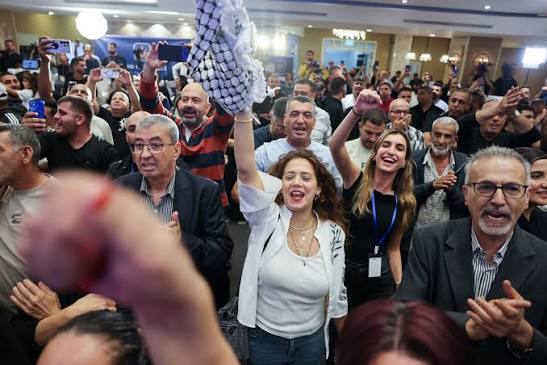
LONDON: At a pharmacy in Tira, an Arab city in central Israel, a young cashier encouraged Amal to vote in the Israeli general election on Tuesday. Amal is a Palestinian citizen of Israel, and the interaction represented a spirit of resolve she has witnessed among younger voters as they seek to be heard in a country where many members of her community feel increasingly uncomfortable, if not threatened.
Personally, I know we shouldn’t get too optimistic, but I’m proud of the Arab community for standing together today, said Amal, whose name has been altered to protect her identity. People have realised that our future is on the line.”
Arab citizens turned out in droves to vote on Tuesday, motivated by fears about their safety and a desire to unseat Prime Minister Benjamin Netanyahu. While exit polls indicated increases for Arab parties, they also highlighted a common issue: more seats do not often translate into a position in administration. Neither of Israel’s main political blocs was expected to win a governing majority, and a larger share of the vote could give Arab parties more clout if Netanyahu’s opponents were willing to work with them.
Channel 12 in Israel projected 50 seats for Netanyahu’s party, 52 for the opposition alliance led by former military leader Gadi Eisenkot, and 18 for Arab parties. Channel 13 predicts 50 seats for Netanyahu’s alliance, 53 for the opposition, and 17 for Arab parties.
Also Read:
Gaza Humanitarian Crisis: UNICEF Reports 300 Children Killed in 300 Days
Why the US Launched Retaliatory Strikes on Iran: Causes and Consequences