
One of the major risks to the world’s energy markets may have been eliminated with the reopening of the Strait of Hormuz under the most recent US-Iran ceasefire accord. However, experts stress that Gulf economies are unlikely to experience a swift recovery because growth is still being hampered by persistent investor fear, interrupted trade flows, and declining oil income. Oxford Economics has drastically reduced its projections for the GCC, predicting a 2.4% fall in the region’s total real GDP in 2026, down from an earlier estimate of a 1.2% decline.
According to Azad Zangana, head of GCC Macro at Oxford Economics, “new production and trade data show that economic activity has fallen more sharply than previously anticipated, while export recovery remains weaker than expected despite the ceasefire agreement.”Since the initial ceasefire agreement was announced, shipping data indicates that exports have not recovered very well. We have postponed the recovery in shipping flows till the beginning of next year, but we still believe a peace deal will be struck in the upcoming months,” Zangana stated.
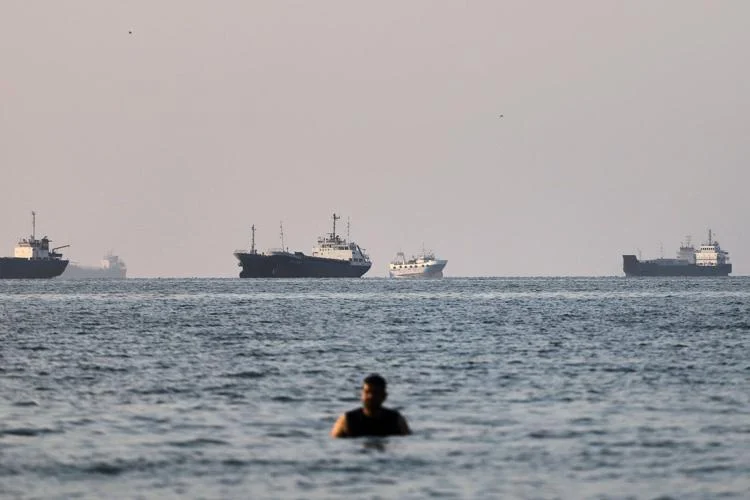
Approximately one-fifth of the world’s oil consumption and over a quarter of the world’s commerce in liquefied natural gas travel through the Strait of Hormuz, which continues to be crucial to the region’s economic success. Oxford Economics anticipates a slow recovery in maritime business even if the most recent accord calls for the restoration of the critical canal.
Also Read:
Mohd Firoz Khan On Empowering Business Growth In The UAE: Strategies For Success And Innovation
João A. F. Pessoa’s Vision In Driving Success Across Large-Scale Projects