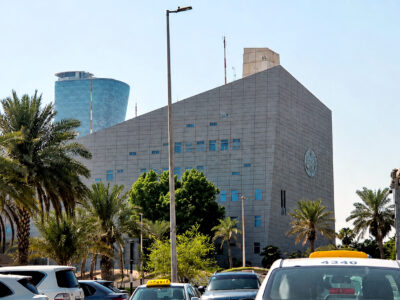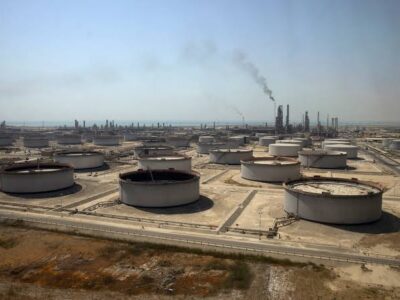

On July 12, as Gulf security conditions worsened, UAE air defence systems confronted incoming missile and drone threats. Updates from the Ministry of Defense verified that defense actions are still underway. Residents were advised to maintain composure and adhere to official directives by the National Emergency Crisis and Disaster Management Authority. Beyond UAE airspace, regional notifications were sent. Qatar intercepted a missile threat and turned up mobile security alerts. As the same escalation spread to numerous Gulf states, Bahrain blasted warning sirens.
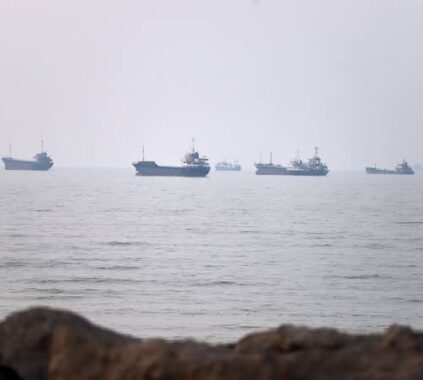
Resuming military operations near the Strait of Hormuz and commercial maritime channels caused more disruption. Defence troops from the United Arab Emirates continued to actively combat aerial threats that were approaching the nation. Public safety guidelines were key to the response, according to NCEMA.
Official channels provided residents with assistance, facilitating prompt shelter decisions and minimizing the spread of unconfirmed information. Additionally, during times of peril, the public is instructed by ministry regulations to steer clear of rumors and rely on official government updates. Later, the Ministry of Defense verified that defensive systems were still reacting to a missile threat. Interception totals were not disclosed by the authorities during the first updates. The initial reports did not include official casualty or infrastructural figures. Throughout 2026, UAE emergency services have frequently used mobile notifications, establishing a direct conduit for location-specific instructions.
Also Read:
Alliance Française Khobar celebrates Saudi women entrepreneurs.
Albandari Alyamani On Being An Apt At Marketing Skills