

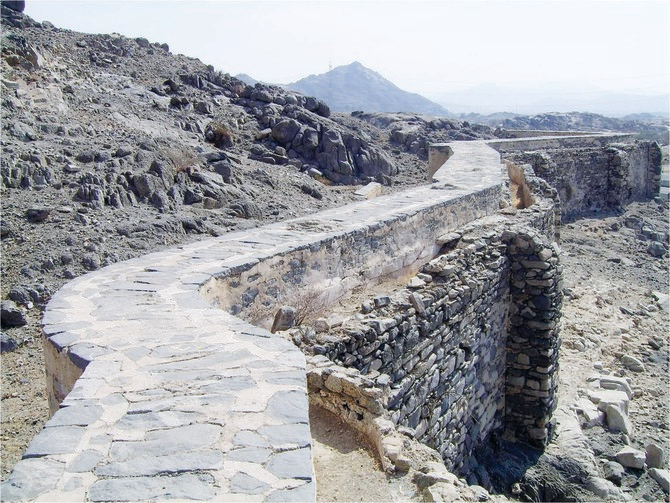
RAFAH: With a tiered interior design that helps enhance water access, filter pollutants, and shield the buildings from flood damage, the historic reservoirs along Darb Zubaida exhibit advanced water management techniques.
One of the reservoirs’ distinctive engineering features is their stair-like interior, which increases stability and enables them to endure centuries of operation. Along the more than 1,400-kilometer medieval road, Darb Zubaida has over fifty sizable reservoirs and water basins that were constructed to serve pilgrims and traders.
The line, which starts in Kufa in southern Iraq and travels through northern Saudi Arabia, including Rafha, Hail, and Qassim, before arriving in Makkah, consists of 27 main stations and 27 secondary stations. The Darb Zubaida reservoirs, according to researcher, historian, archaeologist, and tour guide Khalaf Al-Ghufaili, were more than just water storage basins; they were engineering marvels that represented cutting-edge approaches to water management and the support of pilgrimage and commercial caravans.
He clarified that in addition to lessening the effects of flash floods and shielding the walls and foundations from erosion and collapse, the tiered design provided safe access to water at different levels. The buildings used a precise water purification system, according to Al-Ghufaili. Before the cleaner water entered the main reservoir, rainwater and floodwater first went through smaller basins called filters or preliminary reservoirs, where soil, gravel, and other contaminants settled.
Also Read:
Saudi Arabia’s Emerging Role in the Post-Gaza Peace Landscape”-1
“Saudi Arabia Advances, Oman Secures Semifinal Berth: Excitement Builds in Tournament”