
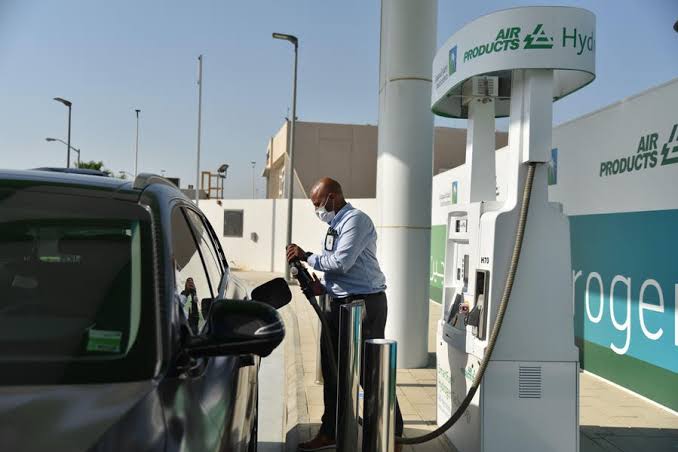
The Gulf region is developing one of the world’s most ambitious green hydrogen businesses. However, the region’s hydrogen boom has a drawback that no number of strategy documents can conceal: not enough buyers have committed to purchase the product.
That matters because hydrogen is not the same as oil. There is no deep global spot market ready to absorb additional supplies. Governments do not make projects bankable simply by announcing them or signing memorandums of understanding. They become bankable after creditworthy clients commit to long-term purchases.
By that standard, the Gulf tale appears much less developed than the headlines suggest. According to Mitsui & Co’s Global Strategic Studies Institute, just three of the Middle East’s approximately 80 green hydrogen projects have offtake agreements.
For an industry based on long-term contracts, that is a difficult figure to ignore. The Gulf’s hydrogen narrative is frequently presented as a demand story. Europeans and Asians require clean molecules. Gulf states have low-cost solar electricity, land, ports, and capital. As a result, they will start exporting green hydrogen and ammonia.
That framing doesn’t exactly hold up. At this point, the region’s hydrogen effort is best viewed as a subsidy and industrial policy tale. Gulf countries and sovereign-backed enterprises are willing to build supply before demand has fully arrived.
Also Read:
Sanjeet Manek’s Vision To Reshape Distribution
Alessandro Perin And ALPEVISION: Building The Network That Will Make The World Move