
The author teaches sustainable development at the American University of Sharjah and serves as president of the UAE Safety and Emergency Security Association. He was previously the UAE’s Minister of Infrastructure and Minister of Climate Change and the Environment. His two publications on climate change had an impact on scholarly and global reforms.
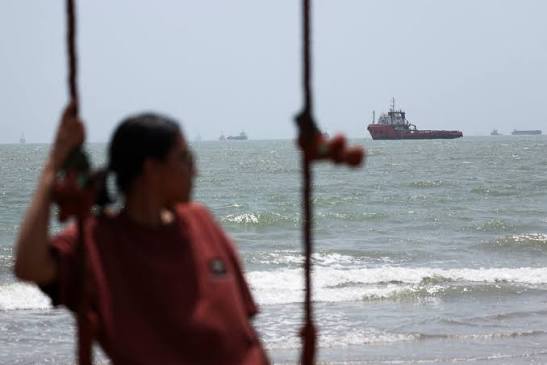
Every time the area trembles, the Strait of Hormuz comes back into view. It serves as the conduit for the world’s energy demands, but it also highlights the vulnerability of both regional and global security.The strait was a stage of imperial competition and the entrance to the Gulf for centuries. Control over Hormuz meant control over the trade routes that connected Iraq, Iran, India, and East Africa. The strait remained mostly outside Arab control despite the lengthy Arab beaches that flanked it. It was first influenced by Persia, then by the Portuguese, and last by the British, who controlled marine routes under the guise of securing transit to India.
Arab nations did occasionally make their presence known. Oman drove out the Portuguese during the Ya’aruba era and developed a fleet that could influence navigation at the Gulf’s entry. The closest approximation of Arab dominance over the strait was created during the Al Bu Sa’id dynasty, when Omani influence extended from Bandar Abbas to Zanzibar. By opposing Portuguese and British expansion and safeguarding important trade routes, the Qawasim further enhanced regional maritime supremacy.
Also Read:
Gaza Humanitarian Crisis: UNICEF Reports 300 Children Killed in 300 Days
Why the US Launched Retaliatory Strikes on Iran: Causes and Consequences