

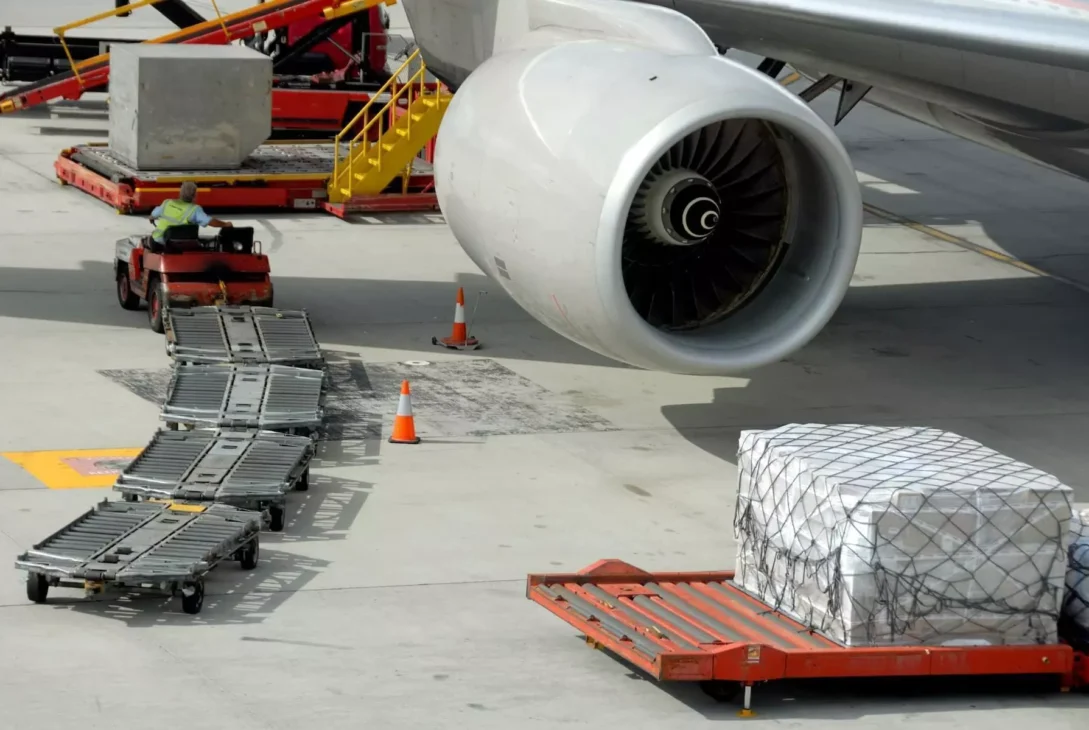
Global air cargo demand saw a noticeable dip in March, falling 4.8 percent compared to last year, as tensions in the Middle East disrupted key supply routes and affected freight movement. According to the International Air Transport Association (IATA), the Middle East was hit the hardest. Cargo demand in the region dropped sharply by 54.3 percent year-on-year, while overall capacity also declined by 52.4 percent.
The situation worsened in late February and March, when rising conflict led to airspace closures and flight cancellations across the region. This created major disruptions at key cargo hubs such as Dubai, Doha, and Abu Dhabi.
IATA Director General Willie Walsh explained that the decline was mainly due to these operational challenges, along with the usual slowdown seen after the Lunar New Year period. Despite this, he noted that the overall demand outlook for air cargo remains stable.
He added that global trade and GDP forecasts from institutions such as the WTO and the IMF still indicate economic growth in 2026. At the same time, air cargo networks continue to play a crucial role in helping supply chains adapt to ongoing geopolitical and operational pressures. Looking ahead, fuel availability and pricing are expected to be key factors affecting the industry’s performance in the coming months.
Also Read:
US EV Charging Infrastructure Struggles to Keep Pace Amid Fuel Price Surge
Breaking Barriers: Celebrating Leaders, Innovators, and Decision-Makers in GCC