
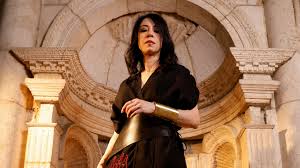
When artist Sara Shamma represents Syria at the 61st International Art Exhibition of La Biennale di Venezia, which opens on May 9 and runs until November 22, the country will make a significant cultural comeback to the global stage.
Syria’s National Pavilion will feature a single performer, which is a big change from other festivals. After the Syrian War (2011–2024), Shamma’s solo exhibition marks a new phase of cultural engagement and places her at the forefront of the nation’s re-entry into the international conversation about modern art.
“The Tower Tomb of Palmyra,” a brand-new, expansive installation curated by Yuko Hasegawa and commissioned by Syria’s Ministry of Culture, will be on display in the National Pavilion of Syria in the outdoor courtyard of the Università Iuav di Venezia’s Cotonificio campus.
“The Tower Tomb of Palmyra” is based on the ancient funeral towers of Palmyra, which once soared above the desert as massive family mausoleums between the first and third centuries AD. It does this by fusing painting, architectural structure, light, music, and perfume.
Communities of various faiths and ethnicities coexisted in an atmosphere of tolerance and interchange at that historic intersection of Greco-Roman, Aramaic, and Arab civilizations. During the conflict, every tower was demolished. The ruins became harsh symbols of cultural erasure when hundreds of burial images were robbed and sold on the global art market.
Also Read:
Abdulelah Bakalka: Redefining the HR Solutions in the Aviation Sector
Gulf’s Top 10 Leaders Redefining Business in 2026