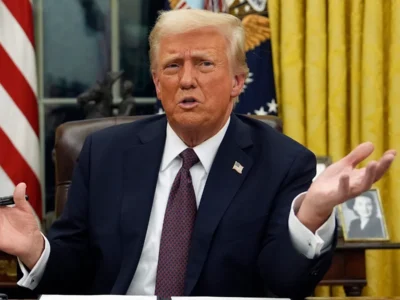

A blockade of Iranian ports, announced by President Donald Trump on Monday, has raised concerns about international law and casts doubt on whether the pressure technique will force Tehran to reopen the key Strait of Hormuz.
Trump vowed to enforce the blockade after talks to extend a fragile ceasefire failed this weekend. Iran had previously banned practically all tanker traffic across the crucial waterway, allowing only friendly ships to pass while imposing high fees.
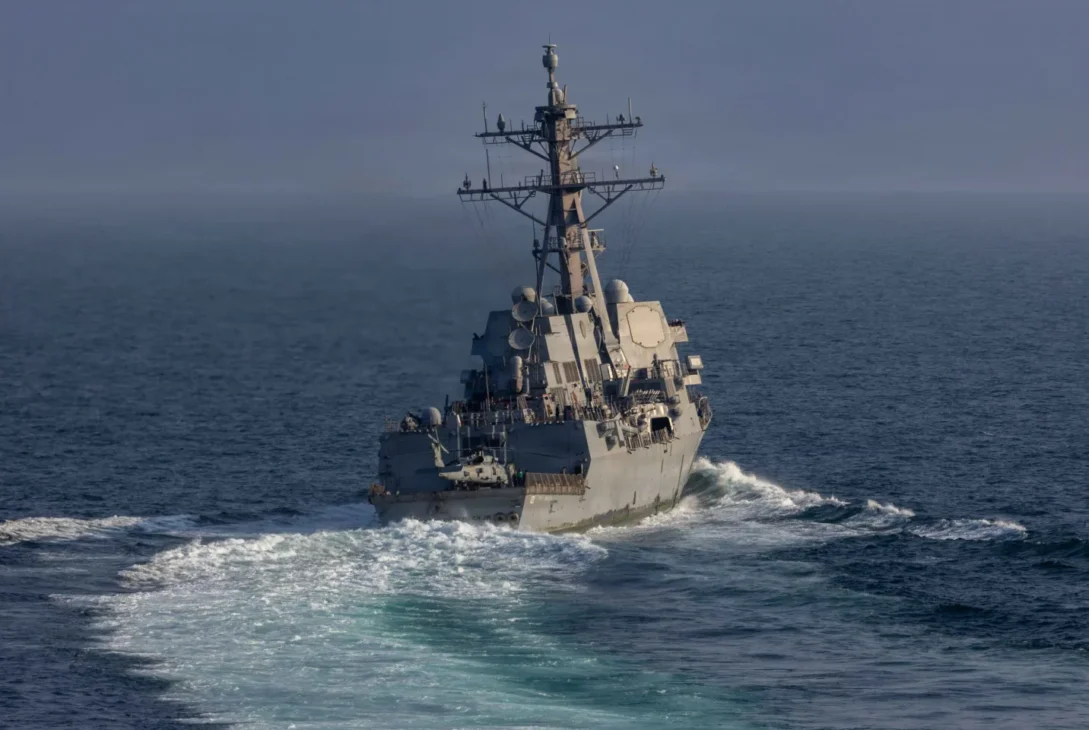
Enforcing the blockade will certainly require large resources from the US Navy, raising worries about military force and international law, according to experts. Meanwhile, supply chain specialists warn that the limitations may disrupt the flow of gasoline, fertilizer, food, and other items to consumers who are already paying higher costs.
The second official cited a notice to mariners as a more realistic reflection of the military’s aims. It states that access to Iranian ports is being restricted, but the specifics of how these measures would be implemented are still being worked out.
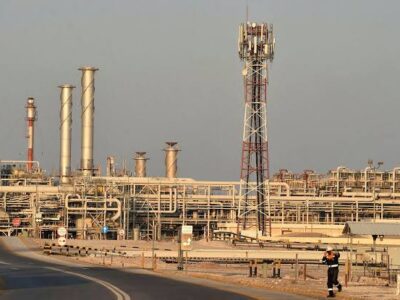
The greatest issue will be the massive volume of shipping traffic that typically transits the Strait of Hormuz, through which roughly 20% of the world’s commercial oil travels in peacetime. Sidharth Kaushal, a naval power expert at the Royal United Services Institute, a London-based defense and security think tank, believes a large number of ships may be required to implement the limitations.
Also Read:
Breaking Barriers: Celebrating Leaders, Innovators, and Decision-Makers in GCC
Palestinians in Israeli Prisons Face Abuse and Cover-ups, Reports Reveal Alarming Reality