
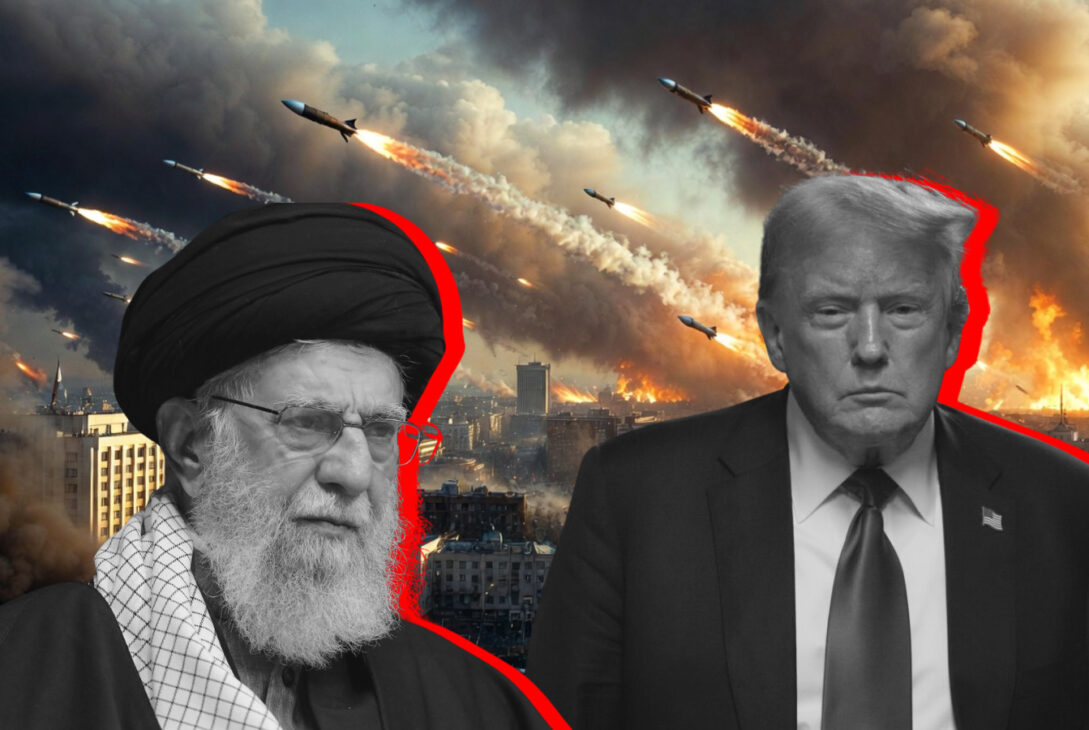
LONDON: The US-Israel-Iran conflict is no longer a far-off geopolitical issue for a large portion of the Global South. Farm finances, fuel lines, and food markets are all being affected as the Strait of Hormuz interruption raises prices and puts additional strain on already precarious economies.
One of the most significant maritime lines in the world has been disrupted by Iran’s blockade of Hormuz, while President Donald Trump’s US Navy blockade targets ships traveling to or from Iranian ports rather than all commerce passing through the strait. The effects are already apparent in Sudan before the sun comes up.
The line at a Khartoum gas station starts before daybreak. Gas prices increased from SDG 19,000 ($31.61) in February to 30,000 Sudanese pounds ($50) a gallon in early April. As shortages worsen, some analysts predict that they could reach SDF 35,000 ($58.24) by midyear.
The math is already getting harder for farmers in Al-Qadarif and Al-Jazirah, who depend on diesel to run irrigation pumps and transport seeds to markets. There is not much time left before Sudan’s planting window opens in June.
The situation is getting so bad that some individuals have “resorted to using cooking oil instead of diesel in their vehicles,” according to Alfatih Mohamed, a Sudanese journalist and human rights researcher living in Uganda.
Also Read:
Alliance Française Khobar celebrates Saudi women entrepreneurs.
Albandari Alyamani On Being An Apt At Marketing Skills